

Apart from focusing on teaching design, learning sessions, questions and answers of teachers and students, what else ways can you imagine when conducting classroom research?
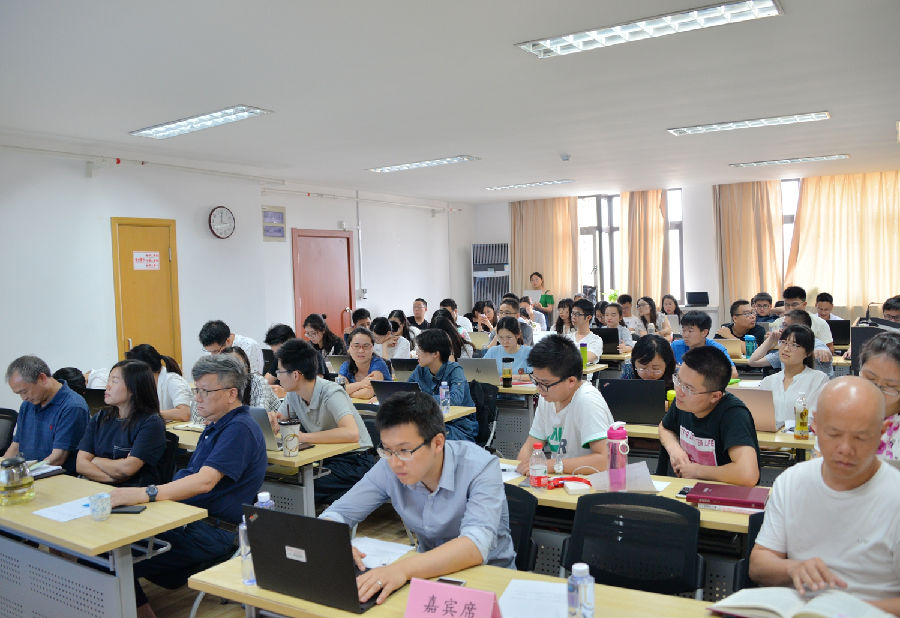
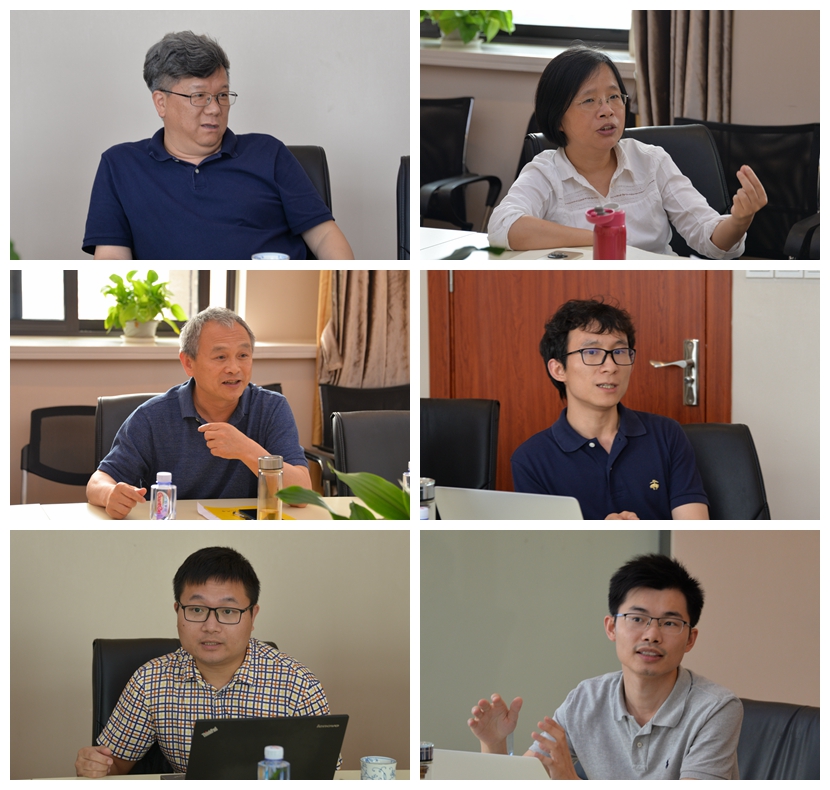
On the afternoon of June 8th, at the invitation of the International Classroom Analysis Laboratory, Prof. Shen Xiaomin and Prof. Wang Zhe, who are researchers of ICI, attended the fifth workshop of the laboratory, and respectively reported on the topic of Cross-Cultural Studies of Conceptual Attitudes and Moral Education Based on Association Tests and The Use of Conceptual Maps in Chemistry Classes -- The Path to Randomized Experimental Design. Associate Prof. Xiao Sihan, the executive director of the laboratory hosted the workshop, Prof. Cui Yunhuo, Prof. Hu Huimin, Prof. Wu Gangping, Prof. Liu Lianghua, Associate Prof. Zhou Wenye, Associate Prof. An Guiqing and teacher and students from other department attended the workshop. After the reports, the experts of ICI continued to discuss the construction and development of the laboratory.


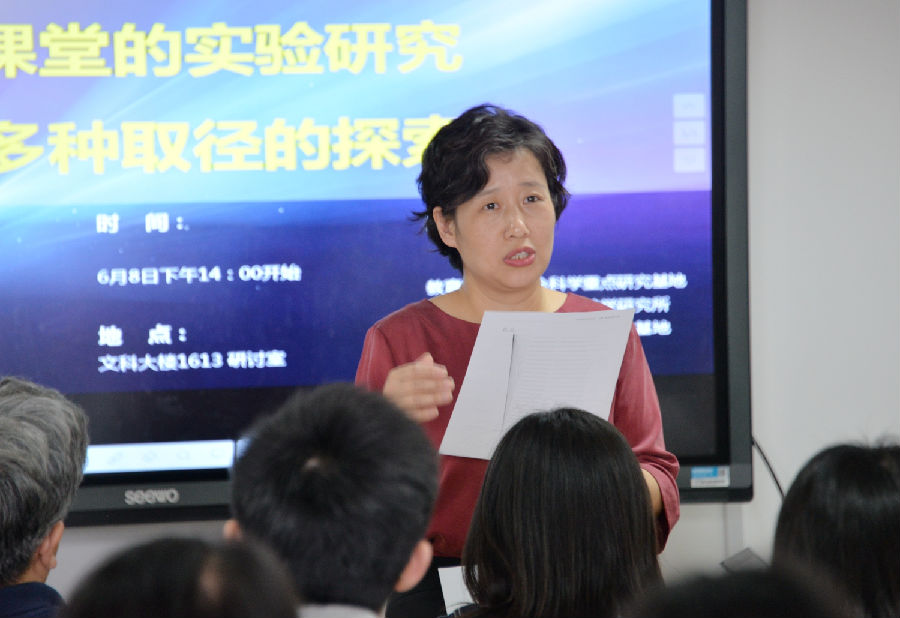
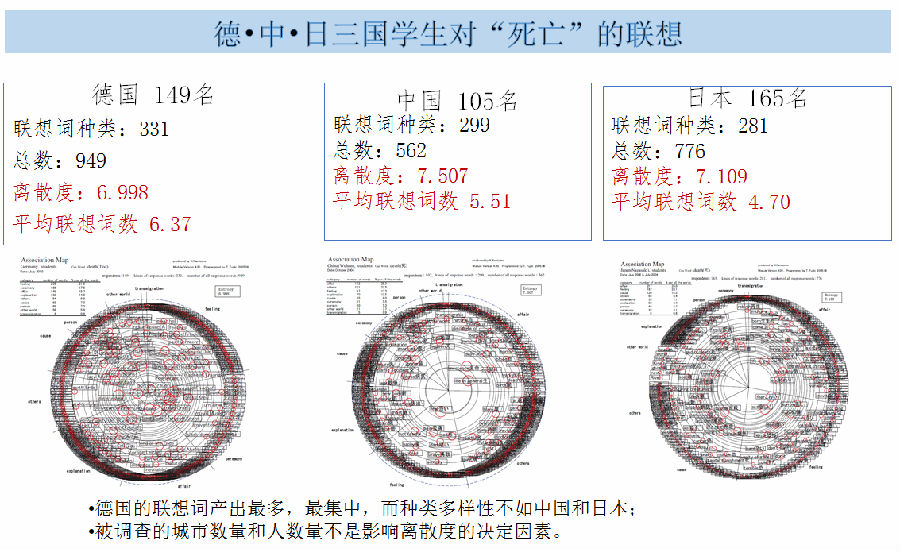
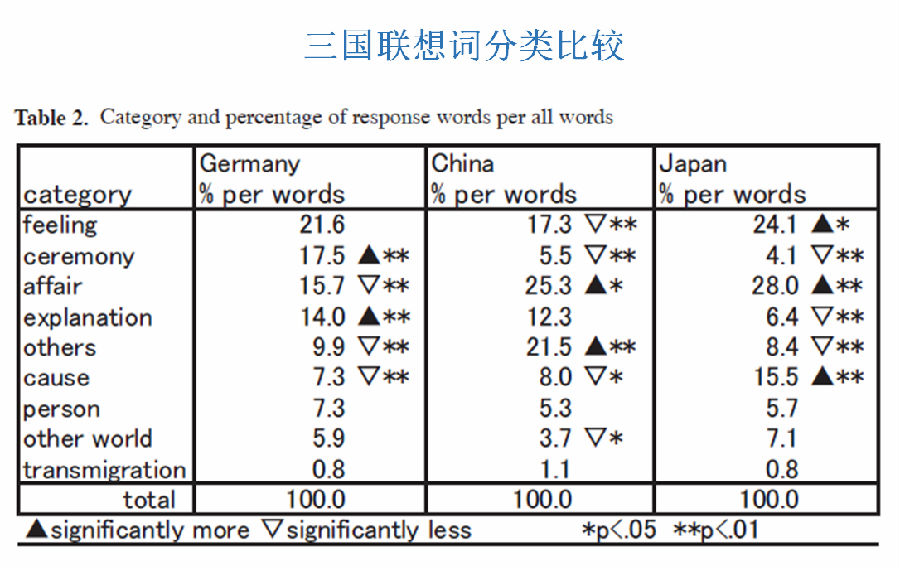
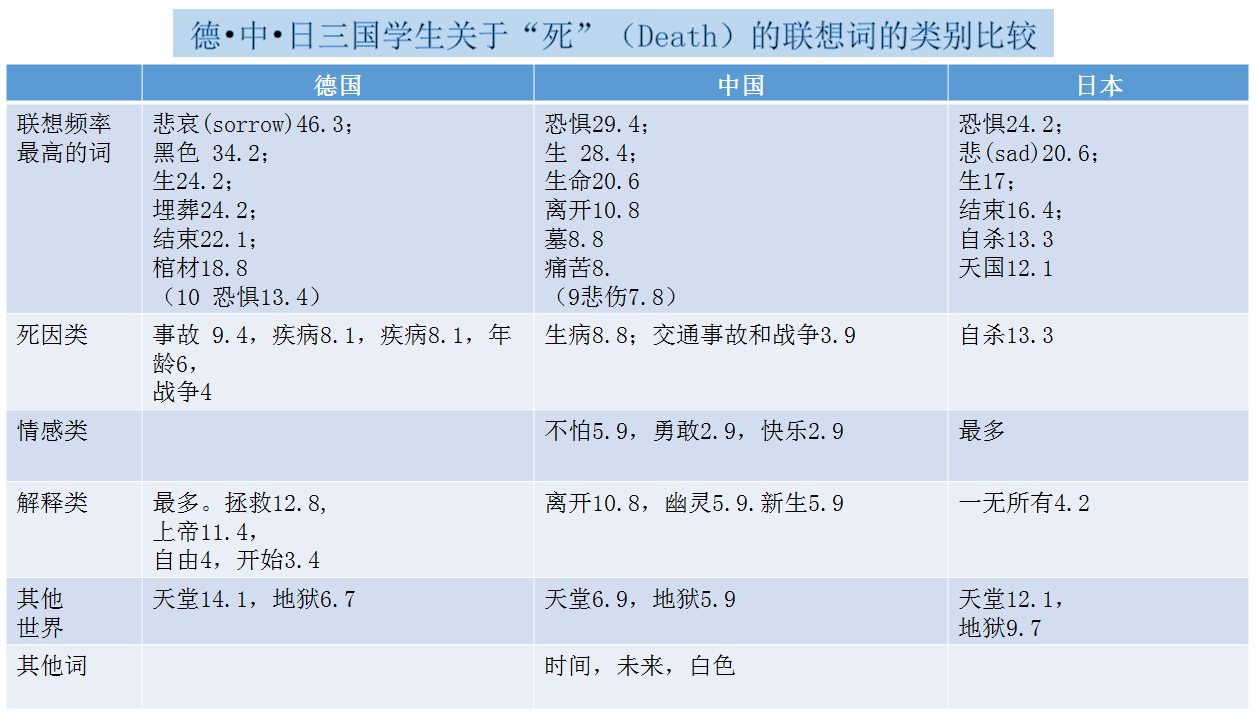
At the beginning of Prof. Shen Xiaomin’s report, she distributed an association test questionnaire to the teachers and students, and then she showed the title of the report: Cross-Cultural Studies of Conceptual Attitudes and Moral Education Based on Association Tests, then raised five questions, what is association and association testing? Can association results reflect attitudes? How to read association data? What can we do with the association test? What are the cross-cultural studies? Then, by quoting German, Chinese, and Japanese students' associations with the word “death,” and the use of the Sino-Japanese moral lessons, she explained in detail the use of association tests in educational practice and educational research. She hoped that this would inspire the teaching methods and provide a direction for the in-depth classroom evaluation.





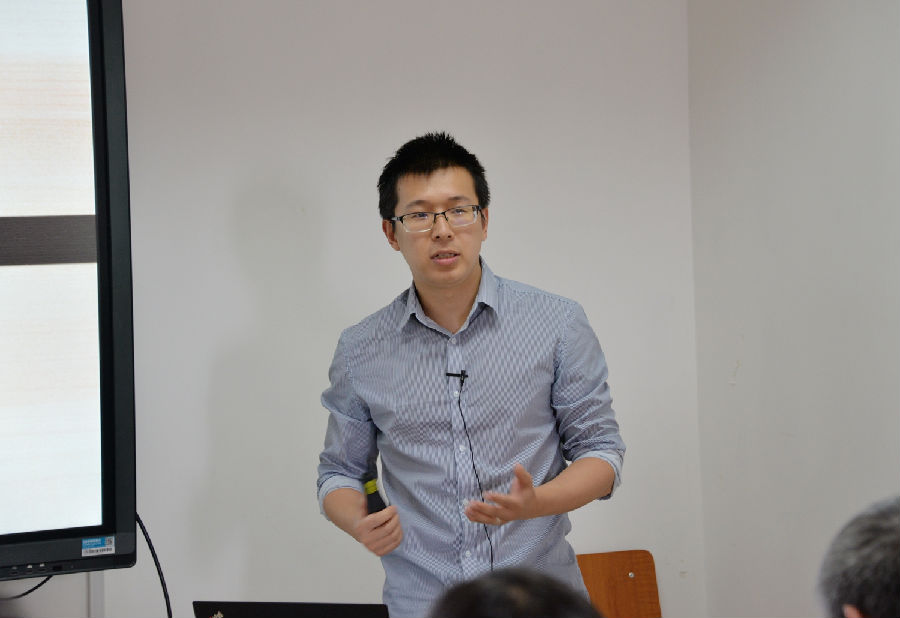
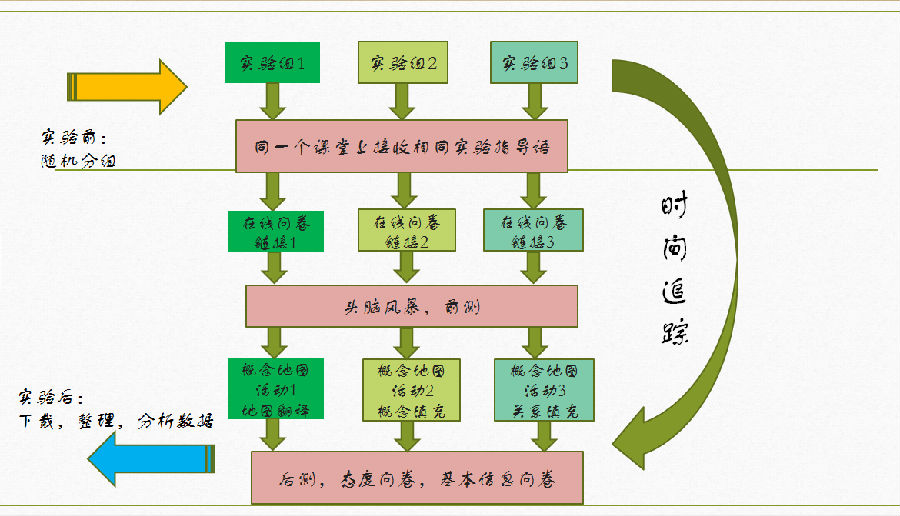
Associate Professor Wang Zhe made a report on the use of concept maps in chemistry classrooms—a random experimental design approach from the perspective of quantitative research. Based on the explanation of the basic principles of conceptual maps, he focused on introducing the types and cognitive principles of concept map in chemistry teaching. Analyzed the effects that concepts and knowledge maps impact on students' cognitive processes and academic performance from the results of randomized experimental studies. He pointed out that conceptual maps can reduce students' cognitive load, but different types and processes have different influences. Exploring these Exploring these impact mechanisms through experimental methods has extensive implications for classroom teaching and evaluation. mechanisms through experimental methods has extensive implications for classroom teaching and evaluation.



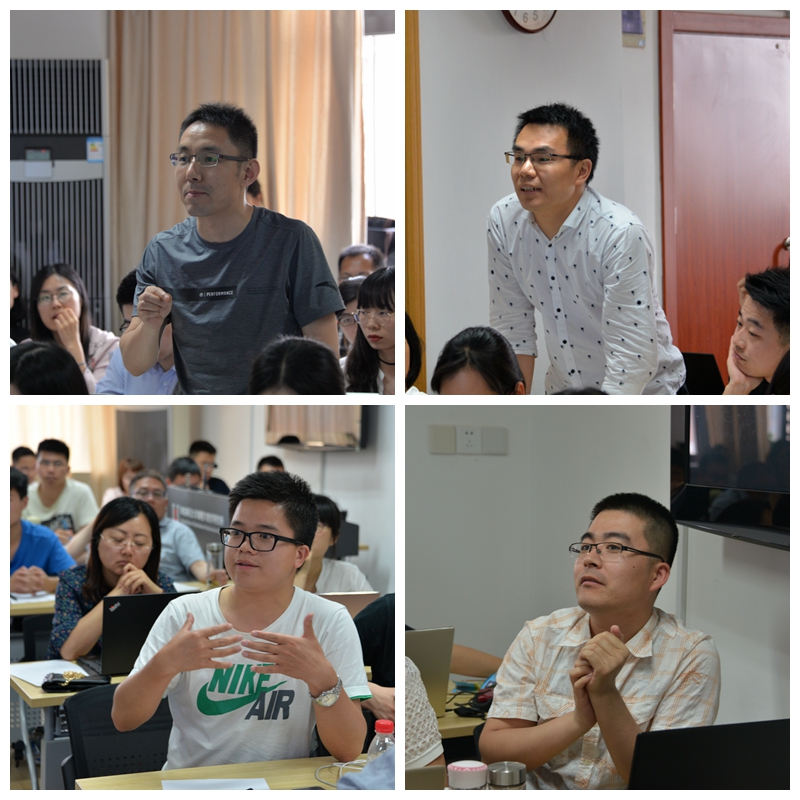

After the report, the researcher of the institute conducted a seminar on the further planning and construction of the laboratory, basically defining the current development direction and specific strategies of the laboratory, including continuing to strengthen cooperation with the International Class Research Center of the University of Melbourne, Australia; promote the construction of laboratories by three main lines of association tests, case studies, and experimental studies; Start PI team of young teachers in ICI to produce more SSCI papers of classroom analysis. Next, the laboratory will implement relevant decisions in detail and strive to produce a series of influential research results.



 Address: 3663 Zhongshan North Road, Shanghai
 Email: ecnuici@163.com
 电话:021-32526084