



On the morning of 9 March, jointly sponsored by the Institute of Curriculum and Instruction (ICI) of the key Research Base of Humanities and Social Sciences of the Ministry of Education, the Institute of Humanities and Social Sciences of East China normal University, the Shanghai Primary and Secondary School Curriculum Program Base, and the editorial department of the Global Education. The first issue of 2019 Daxia Forum opened in the lecture hall of Yifu Building.

This issue of the forum is honored to invite Professor Yoshihiro Akita, Director of the School Education Research Center of the University of Tokyo, Professor Yoshihiro Akita is also Vice-President of the World Association for classroom research. She shared an academic report on the theme " Promote Textbook Development and Teaching Design of Learning Community". The forum was hosted by Professor Chen Shuangye, Deputy Director of ICI, and Dr. Huang Yulun of the University of Tokyo served as simultaneous interpreter. More than 200 experts and scholars, leaders of educational administrative departments, front-line educators and graduate students majoring in related fields participated in the scene.

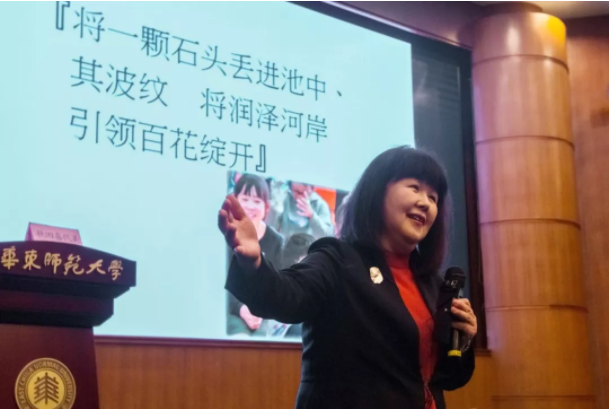
△Professor Yoshida Akita
Director of the School Education Research Center of the University of Tokyo
Vice-President of the World Association for classroom research


△Professor Chen Shuangye
Deputy Director of ICI, East China Normal University.
Deputy Editor-in-Chief, ECNU Review of Education (ROE)

Abstract of the Report

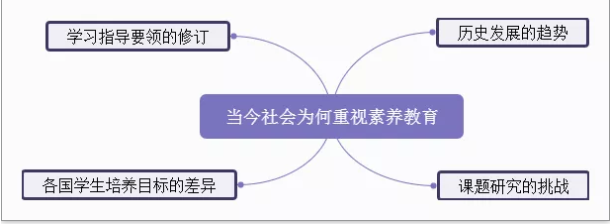
In the report, Professor Akita first described "Why does today's society attach importance to literacy education" from the aspects of the trend of historical development, the challenges encountered in the course of the research, the revision of the essentials of learning guidance in Japan, and the differences in the training objectives of students in various countries.


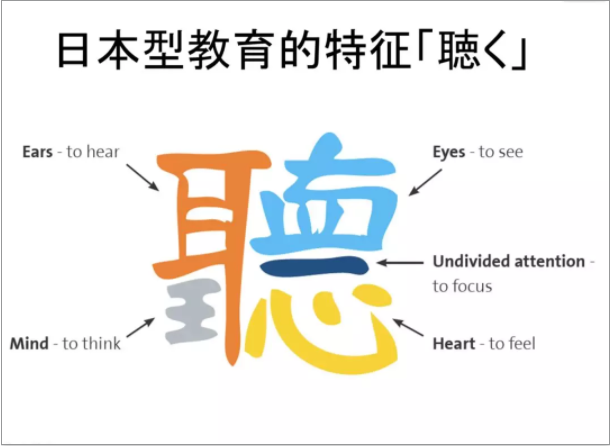
Then, by sharing four classroom observation cases, Professor Akita led to three key words——subject, dialogue and in-depth learning, emphasized that students' learning must be spontaneous and continuous. We should cooperate with each other, listen to each other, listen with our ears, listen with our hearts, listen with our eyes, listen exclusively, and open our hearts to listen. moreover, we should have foresight, participation and reflection, and develop the habit of active learning and active inquiry.


Finally, Professor Akita shared two specific research examples to explain "Why explore Learning (PBL)" and concluded that:
1. In order to promote students' subjective, conversational and in-depth learning, it is very important for students to explore PBL or related curriculum in collaboration with each other.
2. Through the opening of educational curriculum with the community, the possibilities (potential) of students will be found.
Therefore, the cultivation of ability literacy must include thinking about science, cross-disciplinary integration, and the content beyond the educational curriculum.

Interactive communication

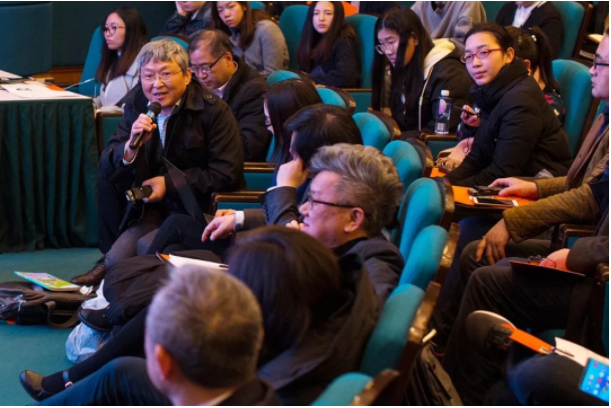
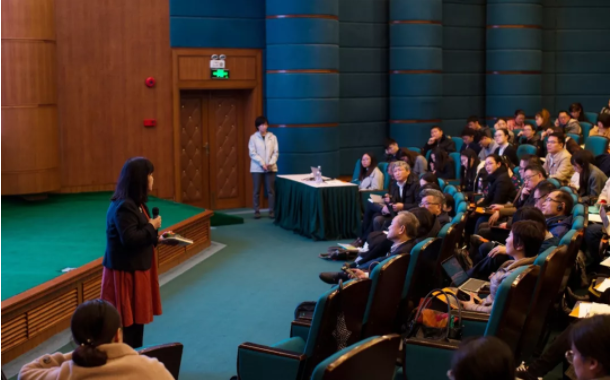
In the interactive session, Professor Akita made in-depth discussions and exchanges with experts and scholars, front-line teachers, and master's degree students on topics such as students' learning evaluation, teachers' lectures, and so on.


Summary of the Forum

Finally, the Deputy Director of ICI, Professor Chen Shuangye, spoke on behalf of ICI. She first shared the details and feelings of going to primary school with Professor Akita the day before the report, stressing the need to pay attention to students' learning, so that students can see themselves immersed in learning and learn to reflect on themselves. Secondly, Professor Akita's report gives teachers inspiration: the classroom is a place for teachers and students to study together. In the process of students' learning, teachers should not only think about what students have learned, we should also think about whether the design of classroom content hinders students' learning, pay attention to the task setting, try to "role-play", and realize the integration of "teaching-learning-evaluation". Thanks to Professor Akita for her sharing, it is like a stone thrown into a pool, its ripples will break the unbroken walls of everyone's mind and lead you to a hundred flowers in your hearts.

 Address: 3663 Zhongshan North Road, Shanghai
 Email: ecnuici@163.com
 电话:021-32526084