

Report
"I don't want to repeat myself"
With the field work in China, Japan and the United States in 1984 and 2002, as well as re-analysis of images, videos and interview materials at that time, Professor Tobin gave a detailed introduction to "Diachronic Video-Cued Multivocal Ethnography", starting from the core concepts of anthropology such as otherness, intersubjectivity and diachrony. He presents the way to understand, through dialogue and intersubjectivity, those who do not share the "lebensweld (life world)" with us. )", pointing out that "the intersubjectivity between the interviewer and the researcher is the main source of knowledge and meaning." At the same time, Professor Tobin discussed the epistemological position of combining historical analysis and comparative analysis in educational research, based on critical reflections on his classic research "Kindergarten in Three Cultures", inspiring us to try to "pay attention to the time and space" and “return to the field”in future research to “listen to how insiders place themselves in historical situations”and encouraging us to continue to reflect on and practice “fair and inclusive” comparative research.
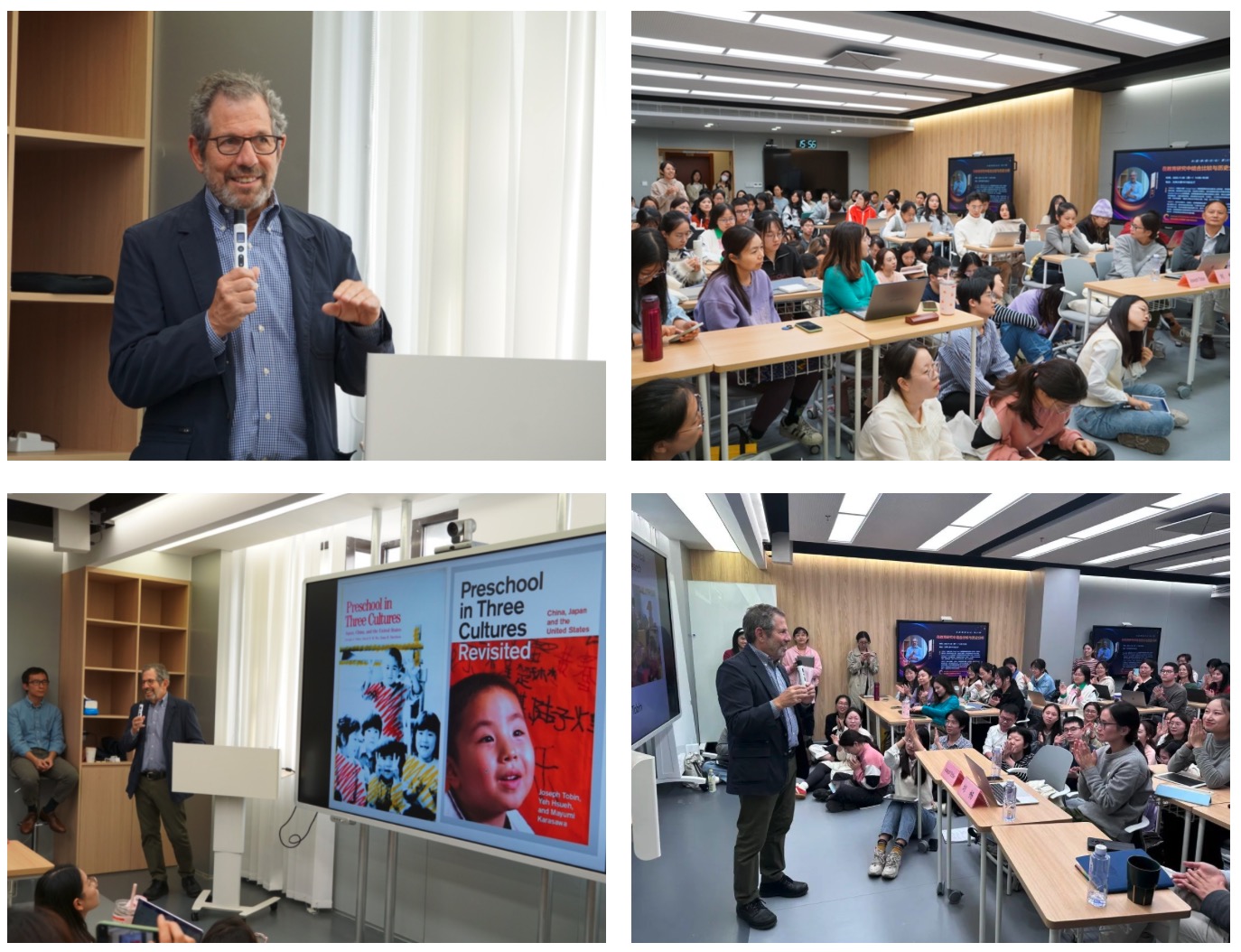
Professor Tobin's lecture, like his research and himself, is always concerned with "people". This academic report did not only include rich and profound text in the book, but also vivid and interesting videos, and pages of sincere Chinese translations; not only "Interviewee xxx", but also photos of researchers and participators next to the transcribed text. Professor Tobin shared with us "their" thoughts in different cultures as if introducing old friends; it was not only Professor Tobin's solo performance, but also the audience present who read aloud and performed the scenes that had happened. The dialogues and stories... It was this kind of "multi-vocal" and "dialogue across time and space" that allowed the teachers and students at the scene to "revisit" the "field" nearly forty years ago.
"I realized research does not have to be boring"
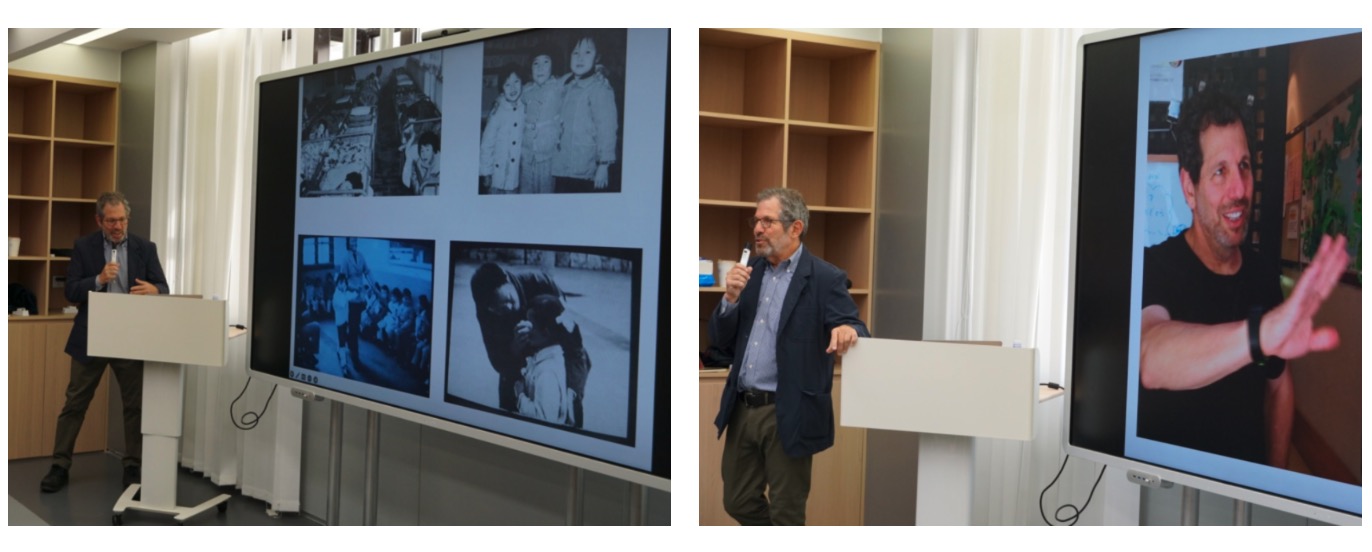
"it’s my obligation/responsibility to do so...I want them to at least have a new idea to think with, that’s all your research is about"
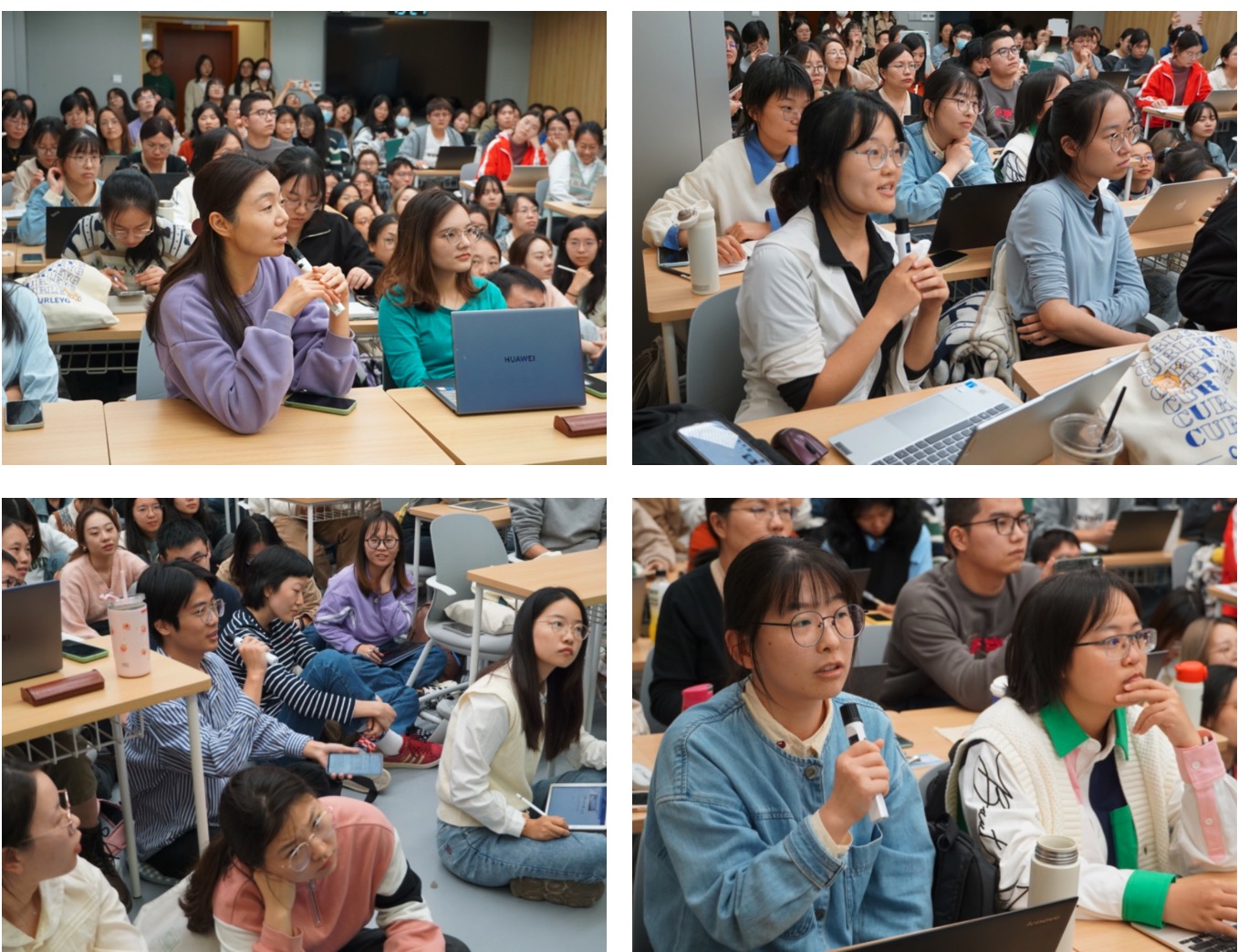
During the communication session, Professor Tobin continued to practice his Bakhtinian answerability and gave a sincere, in-depth and inspiring response to every question. For example, "Is it possible to revisit kindergarten for the third time?" "How to conduct spatiotemporal comparison research during a relatively short time for writing a piece of graduation thesis?" "Why is it edited into a 20-minute video?" These kind of questions about “revisit” were all responded by Professor Tobin from the perspective of epistemology, methodological strategies and specific cases, further opening up everyone's anthropological imagination of "how to revisit". Another example is the ethical issues brought about by research across many years and many places, such as "Can we interview these children back then?" The story shared by Professor Tobin touched everyone deeply, "Is it fair?... We turned around and we didn't go" once again made the audience realize that caring for specific people and not harming are always the most important and fundamental principles of qualitative research.
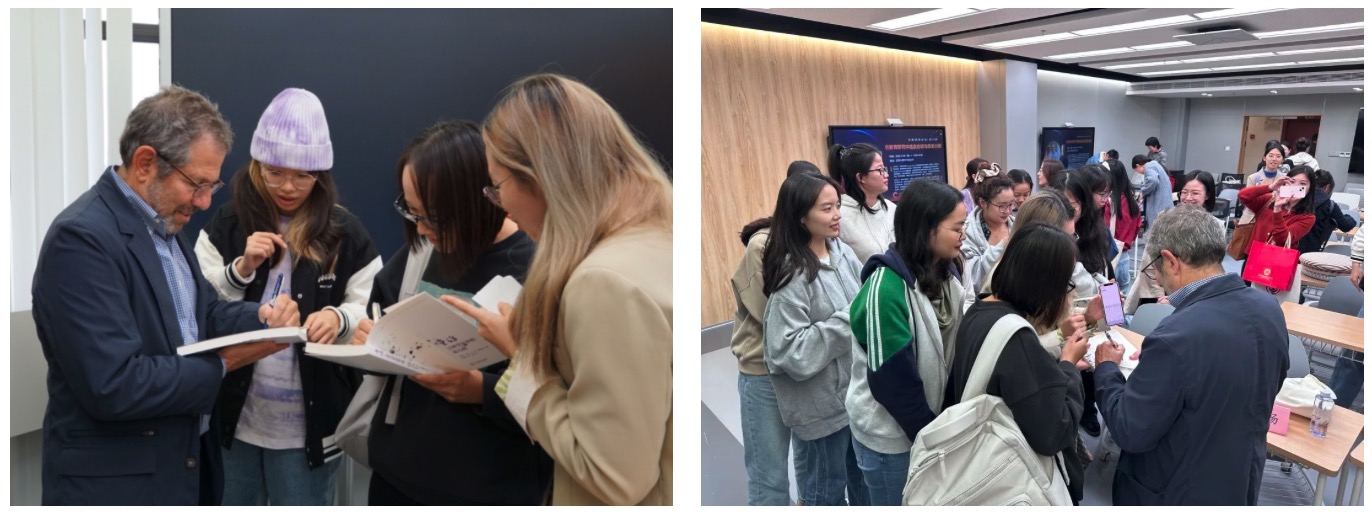
After the report, the students, cherishing this precious opportunity of “fan meeting”, continued to communicate and dialogue with Professor Tobin and send their best wishes. Professor Tobin gently and humbly agreed to every "fan's" request for autographs and photos.
"Research is human-human exchange, intersubjective meaning-making...Make meanings and connections with some readers you have never even met"
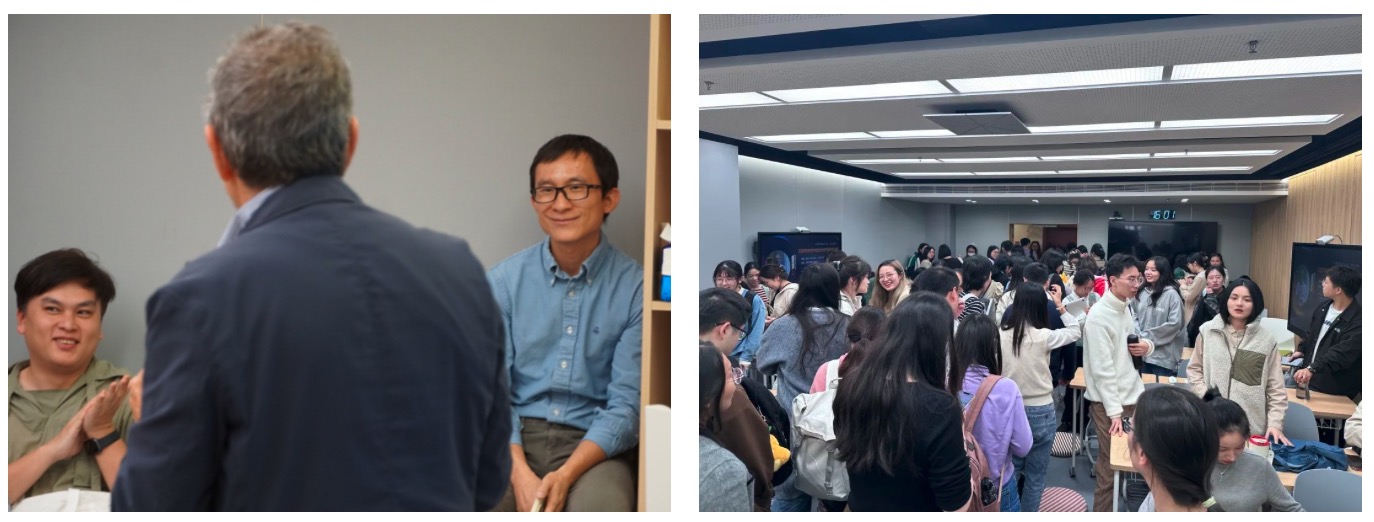
Thanks for this opportunity to meet again in the book and in reality. Look forward to meeting and talking with Professor Tobin again!

 Address: 3663 Zhongshan North Road, Shanghai
 Email: ecnuici@163.com
 电话:021-32526084