

On October 11, the "AI Classroom: AI-Empowered Teaching Transformation Project Promotion Event" was successfully held at Zhenming Central Primary School in Haishu District, Ningbo.
The event was hosted by the Institute of Curriculum and Instruction (ICI) and the International Classroom Analysis Lab (ICAL) at East China Normal University, and organized by the Haishu District Education Institute and Zhenming Central Primary School.
Themed "AI-Empowered Classroom Observation and Analysis," the event aimed to promote teaching transformation through human-machine collaboration, enhance teacher professional development, and foster holistic student growth. Associate Professor Yang Xiaozhe and Professor Zhou Wenye from ICI attended as guiding experts. The event attracted teacher representatives from pilot schools across the country.
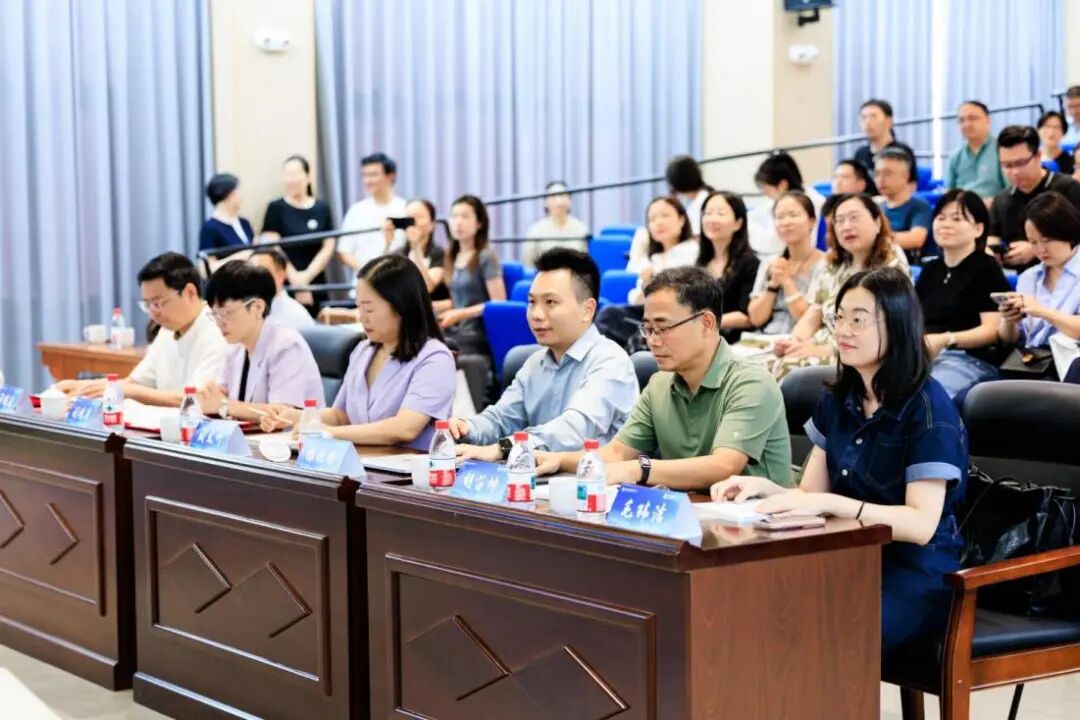
Part 1: Immersive "Human-Machine Collaborative" Observation
During the interdisciplinary teaching research session, all participants acted as "First Observers," using a customized observation scale to meticulously record a science experiment class.
The Lesson: Ms. Zhang Jingna from Zhenming Central Primary School adopted a Project-Based Learning (PBL) approach, guiding students to decompose a complex core task into four logical sub-tasks. The classroom shifted from unidirectional knowledge transmission to a practice ground for active inquiry and collaborative problem-solving.
The Observation Strategy: To capture the nuances of this task-driven class, the project team divided into three groups, each focusing on a specific dimension while AI tools recorded the session:
1. Classroom Learning / Opportunity Observation Group: Focused on student engagement.
2. Teacher Response to Student Answers Observation Group: Focused on teacher feedback strategies.
3. Group Collaboration Observation Group: Focused on peer interaction quality.
Participants used mobile devices to capture real-time evidence, complementing the AI data collection.
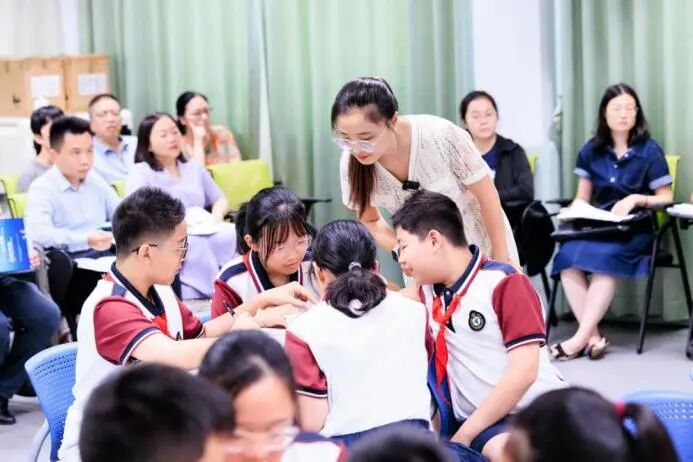
Part 2: Deep Dive – Integrating "Digital Reports" with Human Insight
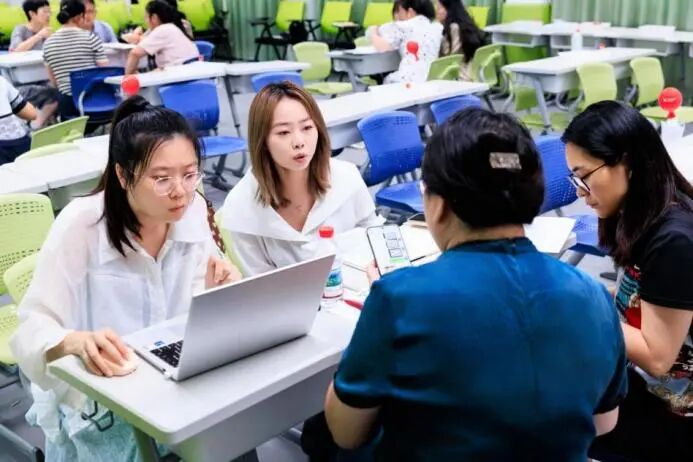
In the post-lesson critique, the team broke away from traditional discussion formats. Instead, they compared their manual observations and immediate questions against the "Digital Lesson" (Shu Ke) Report generated instantly by the ICAL platform.
Guided by Dr. Mao Weijie from Ningbo University, teachers analyzed the data to deconstruct the lesson:
Learning Opportunities Group:
AI Finding: The "Classroom Distribution" metric reached only Level 2.
Human Insight: Confirmed that the "back-row groups" participated less.
Conclusion: The combination pointed to a need for better "Opportunity Equity," suggesting the inclusion of peer assessment mechanisms.
Group Collaboration Group:
AI Finding: Rated collaboration at Level 3.
Human Insight: Validated by observing "clear roles and tacit rules." However, human observers noted "lagging records in specific groups," a detail missed by AI.
Conclusion: Proposed adding a "Timekeeper" role—a strategy born from the "Problem Identification (AI) — Strategy Generation (Human)" loop.
Teacher Response Group:
AI Finding: High proportion of closed-ended questions.
Human Insight: Contradicted the observers' feeling that many open questions were asked.
Conclusion: The objective data highlighted a need to reduce "Yes/No" leading questions and increase cognitive demand.
Reflection: Teachers realized that while the "Digital Lesson" report acts as a "Wide-Angle Lens" (capturing macro structure), it is also a "Blurred Lens" (missing subtle emotions). True teaching research occurs when "Human Wisdom" collaborates with the precision of the "AI Eye."
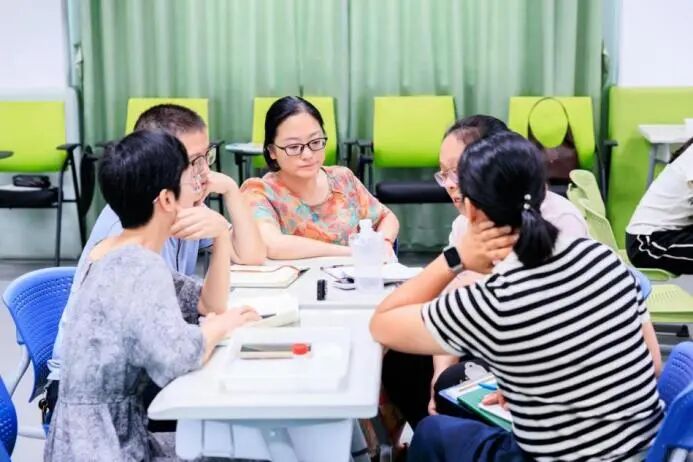
Part 3: Expert Guidance – The Logic of AI in Education
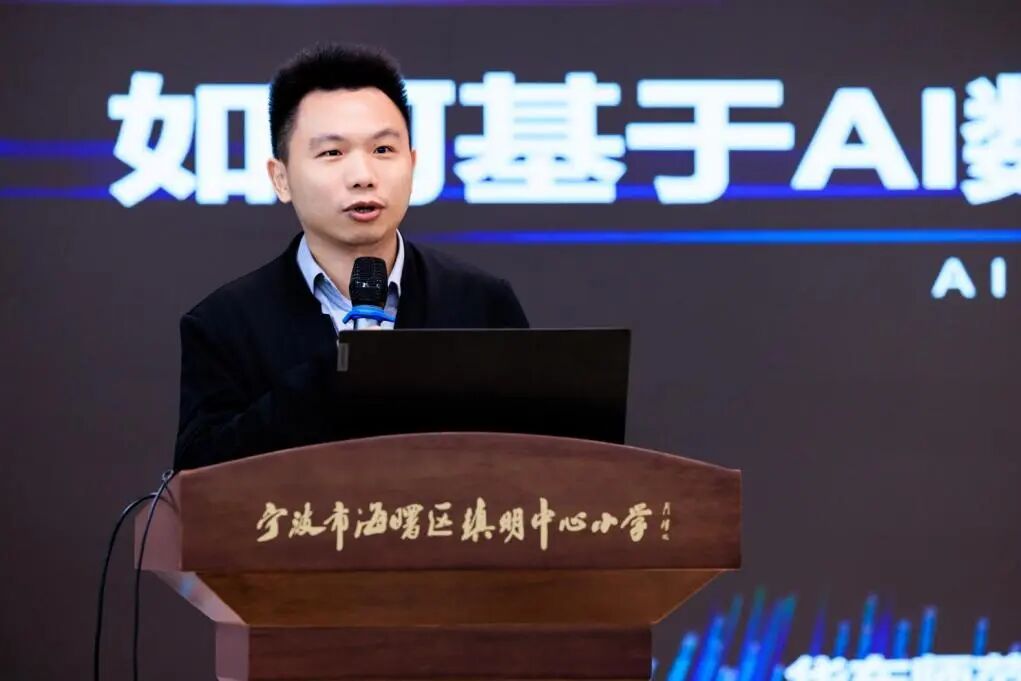
Associate Professor Yang Xiaozhe praised the school's forward-looking approach to interdisciplinary research. He provided a systematic analysis on "How to Generate, Interpret, and Apply" AI reports.
Key Takeaway: Prof. Yang emphasized the boundaries of AI: "The breadth of data cannot replace the depth of teacher observation." He argued that in the AI era, professional human observation is not obsolete but more valuable than ever. Teacher wisdom is the key to filling technical blind spots and achieving true "Human-Machine Collaboration."
Part 4: Workshop – Schools Sharing "Evidence-Based" Innovations
In the afternoon workshop, representatives from pilot schools shared their unique pathways to AI integration:
Zhenming Central Primary School (Ningbo): Principal Yang Hong shared their "Three-Stage Evolution": from the initial shock of data (1.0), to deep problem analysis (2.0), and finally to human-AI collaborative interdisciplinary research (3.0).
Kongjiang No. 2 Village Primary School (Shanghai): Ms. Liang Xiaohui demonstrated how AI analysis supports "Critical Reading" in Chinese literature classes. Using "Character Relationship Maps" and "Classroom Timeline Graphs," they successfully shifted from "Teacher Lecturing" to "Teacher-Student Dialogue."
Hangzhou Entel Foreign Language School: Ms. Ping Chaonan shared their "Student-Centered" approach. They use the AIC platform to create "Digital Portraits" of different classes, allowing for customized teaching strategies and shifting research focus from "holistic evaluation" to precise "slice-based discussion."
Shangde Experimental School (Shanghai): Ms. Zhou Changling focused on "Classroom Verbal Diagnosis." Based on over 180 reports, they developed strategies to optimize teacher language, moving from "Simple Response" to "Deep Feedback."
Dasixiang Primary School (Yongkang): Ms. Hu Chun introduced a unique "Homework Tracing" method. By analyzing errors in student homework, they "reverse-engineered" the classroom to find missing links in the inquiry process, using AI reports to pinpoint the root causes.
Part 5: Final Expert Commentary
Professor Zhou Wenye stressed the importance of cultivating a "Culture of Evidence-Based Research." She suggested that schools establish subject-specific "Classroom Norms," conduct "Micro-Teaching Research," and build "Teacher Growth Portfolios" to simultaneously improve teaching quality and professional development.
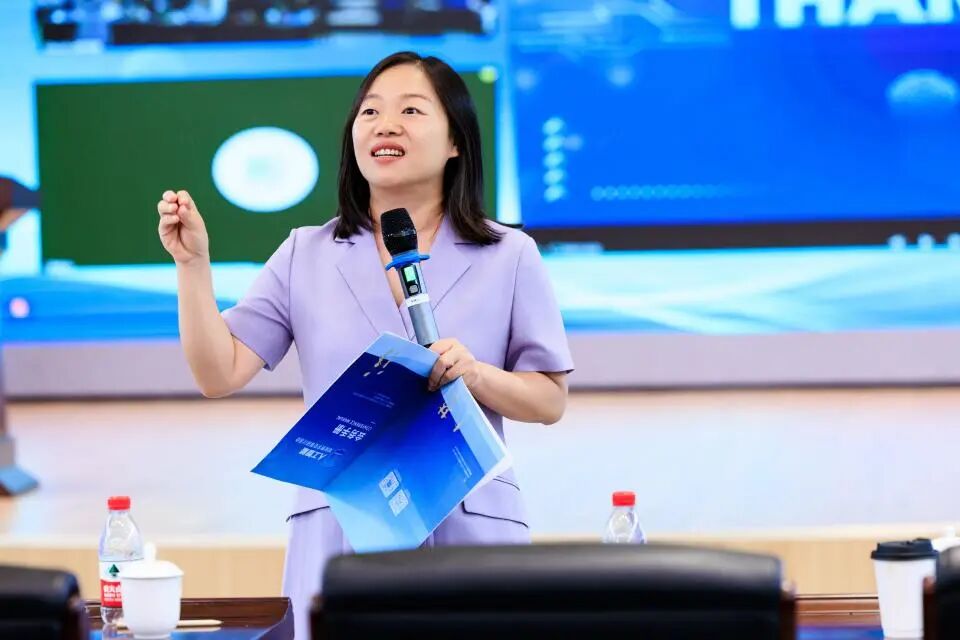
Associate Professor Yang Xiaozhe reiterated that data should support teachers, not constrain creativity. He encouraged schools to link "Video Analysis" with "Homework Results" to create a closed loop of evidence, verifying whether learning objectives are truly met.
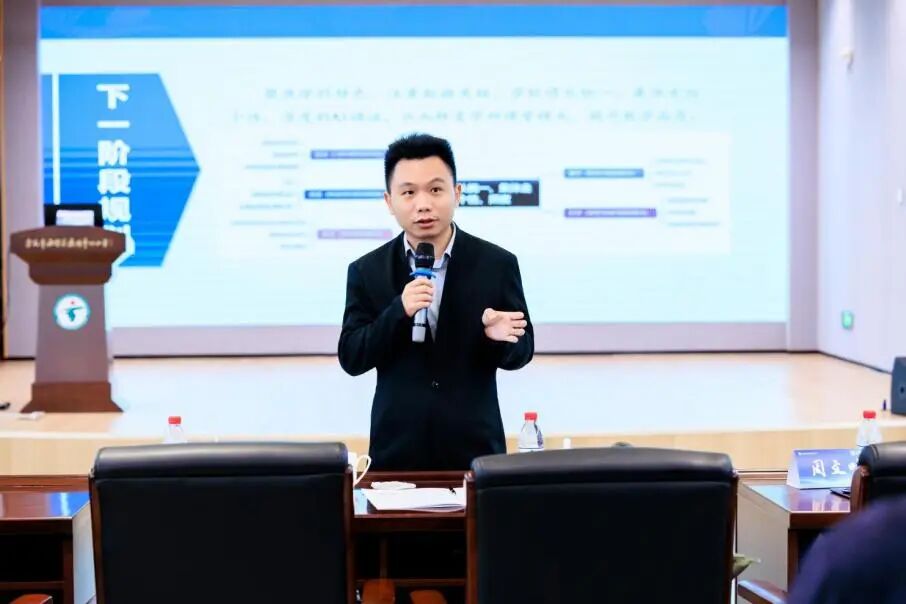
Both experts concluded with a crucial reminder: AI is for "Empowerment," not "Replacement." Schools must remain "Goal-Driven" and "Problem-Driven," not merely "Data-Driven," ensuring that technology deeply integrates with and serves educational philosophy.

 Address: 3663 Zhongshan North Road, Shanghai
 Email: ecnuici@163.com
 电话:021-32526084