


On November 9, as a key component of the 11th National Forum on Empirical Education Research, the "AI + Evidence-Based Teaching Research" Sub-Forum was successfully convened at the Shanghai Suhe Center.
The event was jointly hosted by the Institute of Curriculum and Instruction at East China Normal University (ICI), and the editorial board of Global Education.
Themed "AI Empowerment and Innovation in Evidence-Based Teaching Research," the forum aimed to explore new pathways for teaching research transformation in the AI era. It brought together over 300 representatives, including experts from top universities (BNU, CNU, CUHK, University of Tokyo, ECNU), EdTech industry leaders, and regional education administrators.
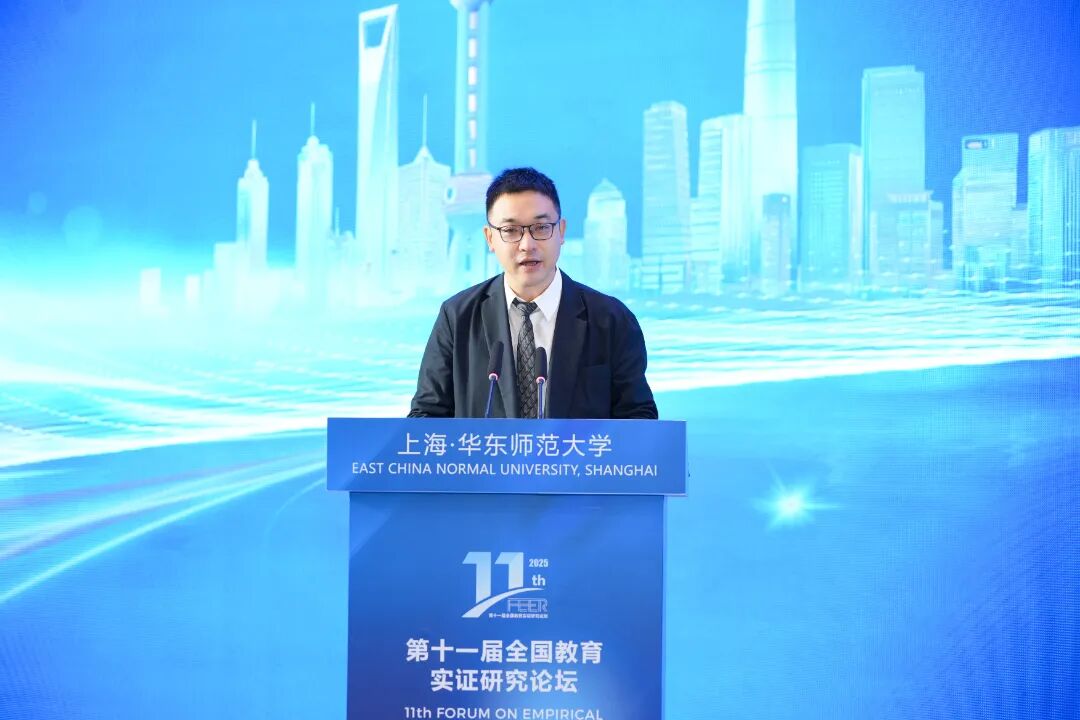
Morning Session Chaired by Yang Chengyu, Vice Director of ICI, ECNU
Opening Ceremony
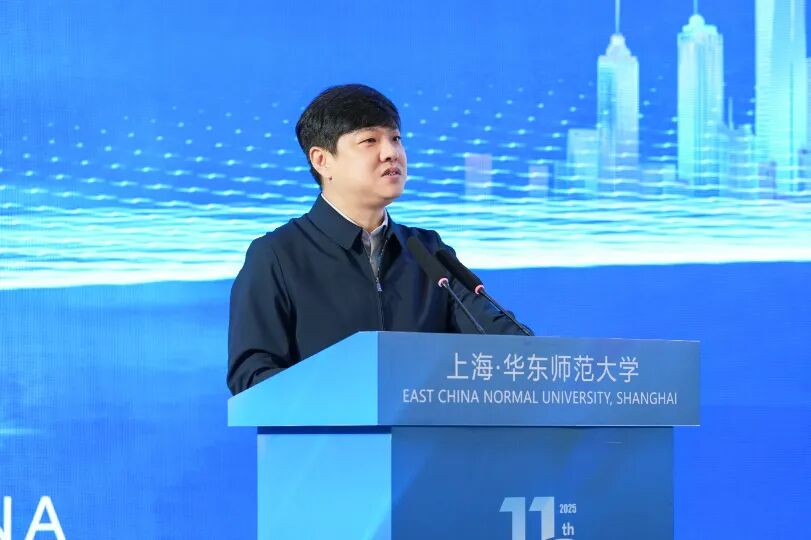
Distinguished guests included Lei Qili (Vice President, ECNU), Yin Houqing (Vice Director, Steering Committee on Basic Education, MOE), Sato Manabu (Professor Emeritus, University of Tokyo), and Yin Hongbiao (Professor, CUHK).
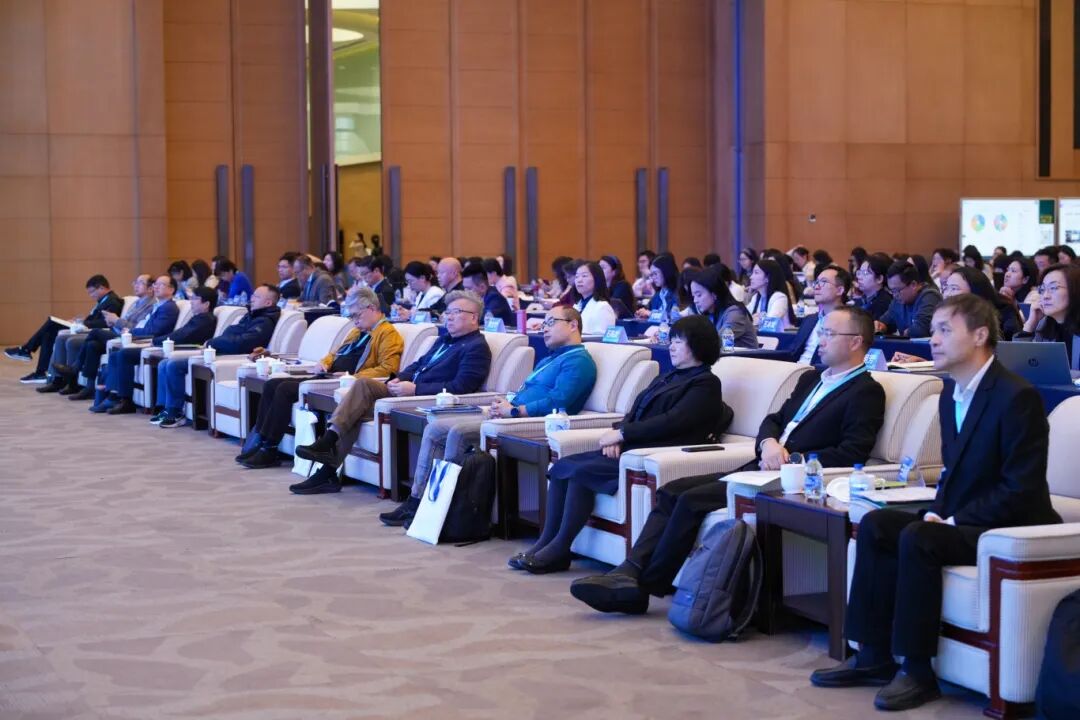
VP Lei Qili: Emphasized the shift from experience-driven to data-driven teaching research, advocating for human-machine collaboration to empower high-quality education.
Mr. Yin Houqing: Called for a new paradigm of teaching research that is "AI-data driven and human-led," using critical dialogue and full-scale regional analysis to deepen classroom understanding.
Prof. Sato Manabu: Delivered a speech on "Controversial Issues of Generative AI in Education." While acknowledging China's rapid progress compared to the conservative stance of many developed nations, he analyzed potential risks and urged educators to transform AI into effective learning tools to meet future challenges.
Prof. Yin Hongbiao: Expressed optimism for the future of "AI + Teaching Research" in mainland China, proposing three expectations for the transformation: Precision, Effectiveness, and Warmth.
Theme 1: New Teaching Research in the AI Era
Prof. Cui Yunhuo (Director, ICI):
Topic: "AI + School-Based Evidence-Based Teaching Research in the Unit Era."
Key Insight: Proposed a new model utilizing the AIC platform to generate a 20-page "Digital Lesson" report in 10 minutes from 86 data points. This visualizes the "black box" of everyday classrooms. He stressed the principle: "Trust in AI, avoid blind faith, and use it for confidence," positioning AI as a tool to serve teacher growth, not replace it.
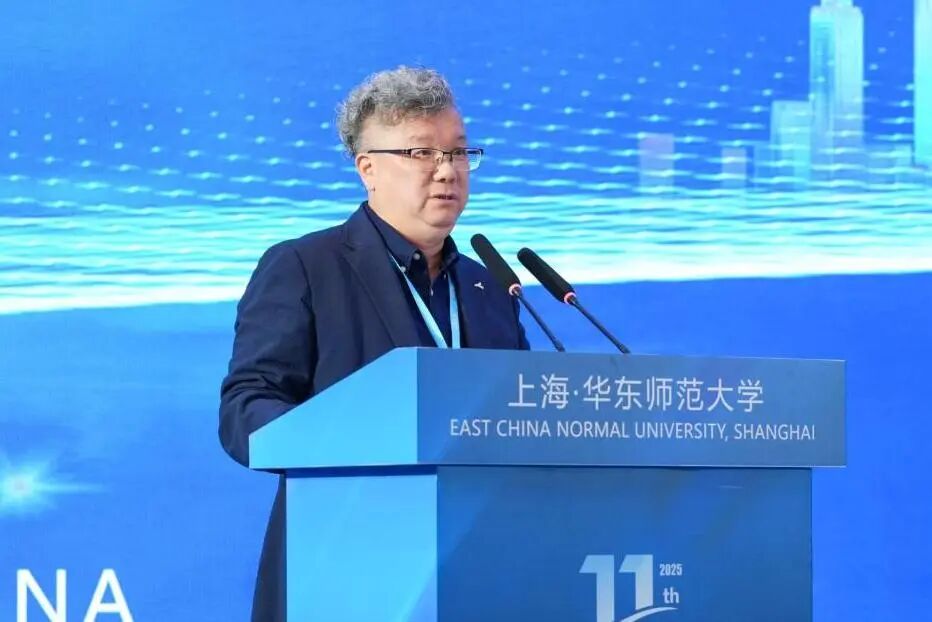
Prof. Zhang Zhi (Director, Intelligent Education Lab, ECNU):
Topic: "Computational Evidence-Based Classroom Analysis."
Key Insight: Addressed the distortion and high cost of traditional evaluation. His team built a 5-dimensional framework (Active, Deep, Interactive, Efficient, Diverse Learning) and a system with 154 indicators to support teaching governance from micro to macro levels.
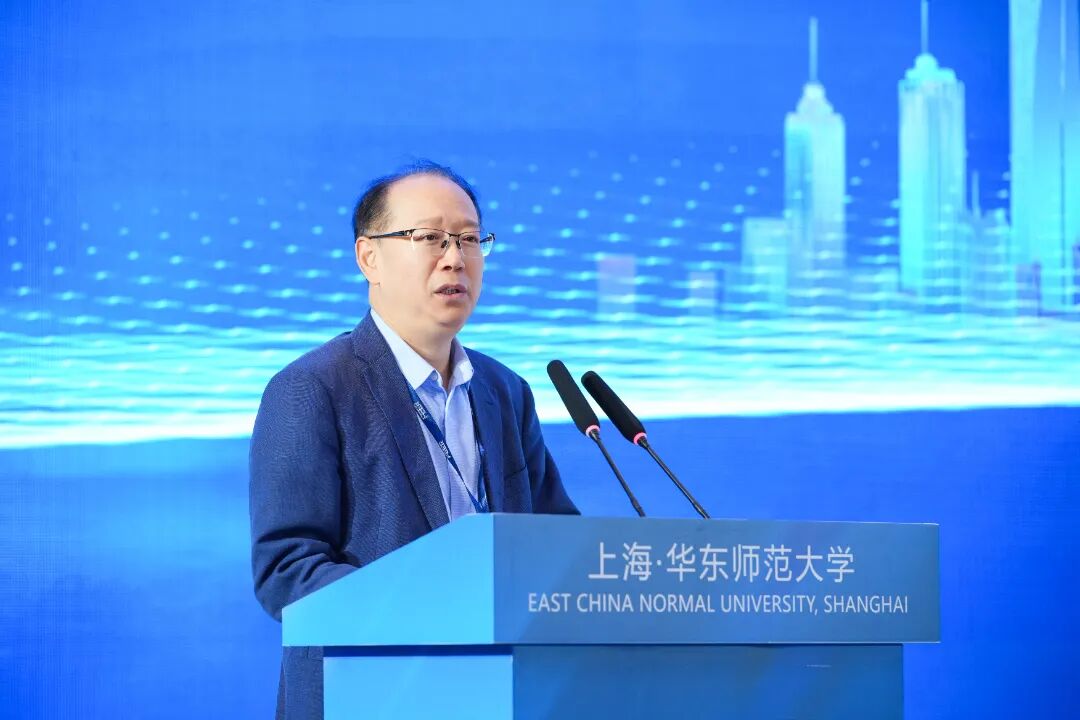
Prof. Liu Lianghua (Executive Deputy Editor, Global Education):
Topic: "School-Based Research via Video Clubs."
Key Insight: Proposed "Teaching Research 2.0" centered on Video Clubs. Using Goffman’s framework, teachers adopt roles (initiator, challenger) to form an inquiry community, moving from "experience-based" to "evidence-based narrative" evaluation.
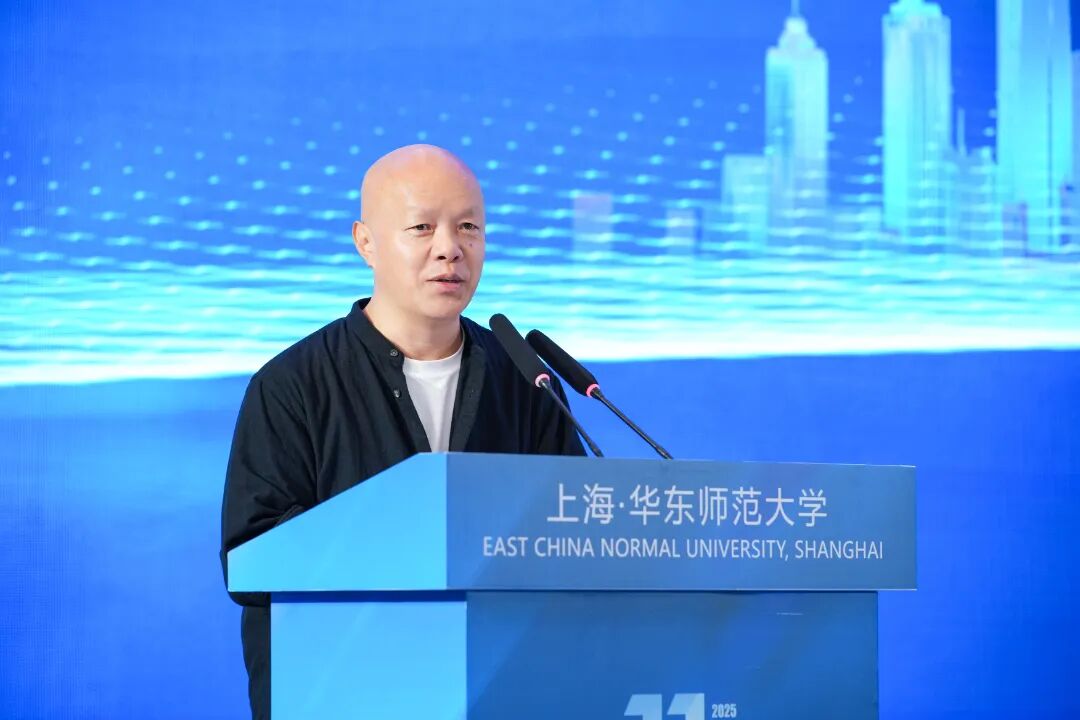
Prof. Song Huan (Deputy Dean, Faculty of Education, BNU):
Topic: "Evidence-Based Research and Teacher Agency."
Key Insight: Warned against ignoring context in early evidence-based models. He advocated for "Human-Evidence Unity," where teachers are both users and producers of evidence, transforming the researcher-teacher relationship into a partnership of equal dialogue.
Theme 2: Expert Dialogue Chaired by Prof. Zhou Wenye (Vice Director, ICI)
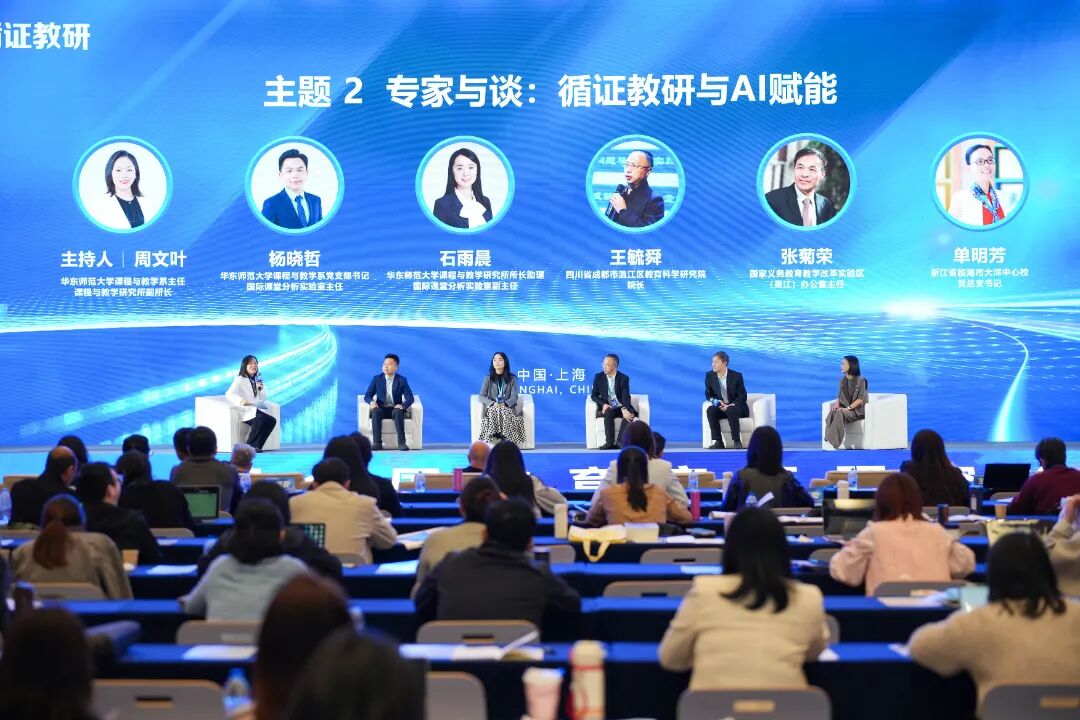
A panel of experts, including Assoc. Prof. Yang Xiaozhe, Assoc. Prof. Shi yuchenand regional leaders from Chengdu, Suzhou, and Zhejiang, discussed challenges in transformation, the optimization of "Digital Lesson" reports, and the ethical use of AI (avoiding "AI hallucinations" and "information cocoons").
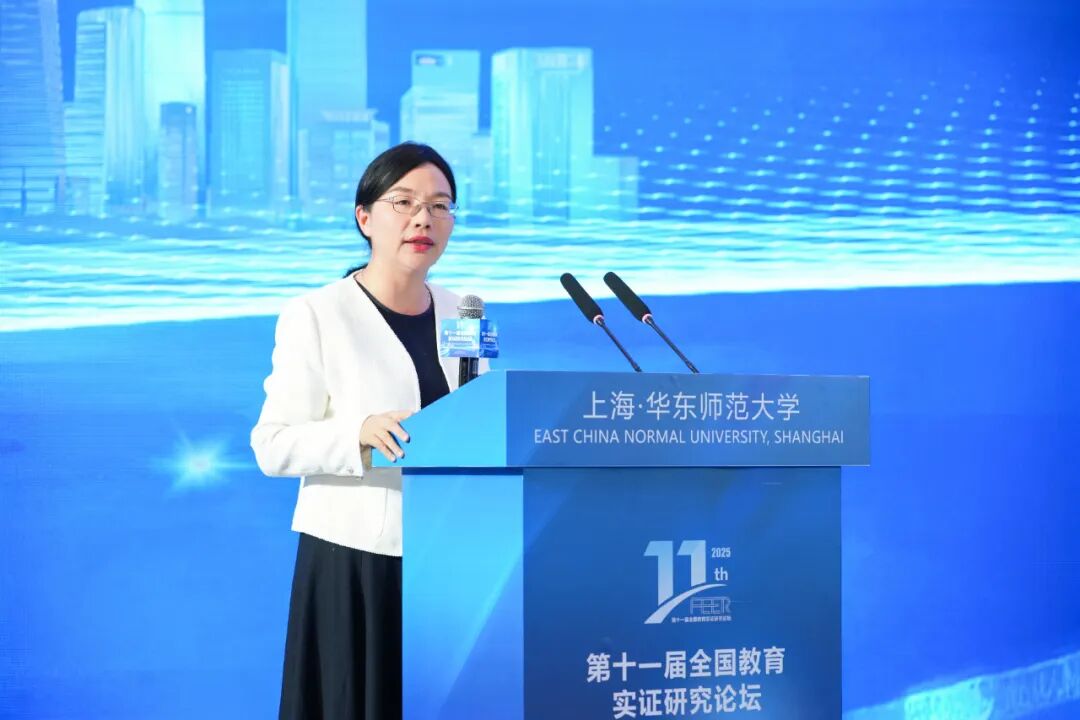
Part 2: Afternoon Session Chaired by Prof. Wang Yanling (ICI, ECNU)
Theme 3: Industry-Research Collaboration
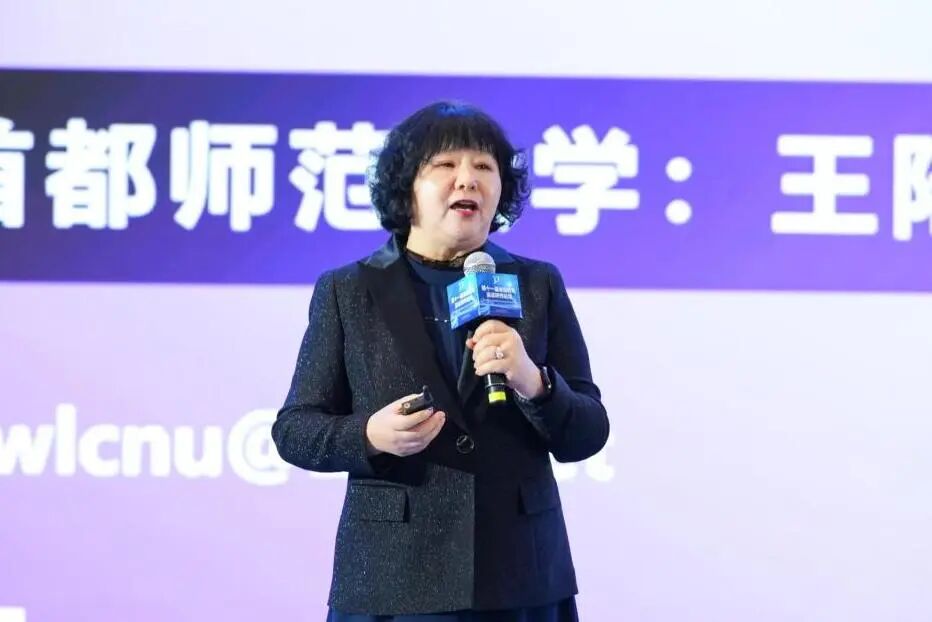
Prof. Wang Lu (CNU): Shared insights from the "KaoPu COP Project" (spanning 25 years and 810 schools). She defined data characteristics of high-quality classrooms and presented an evidence-based practice scheme integrating big data with practical knowledge.
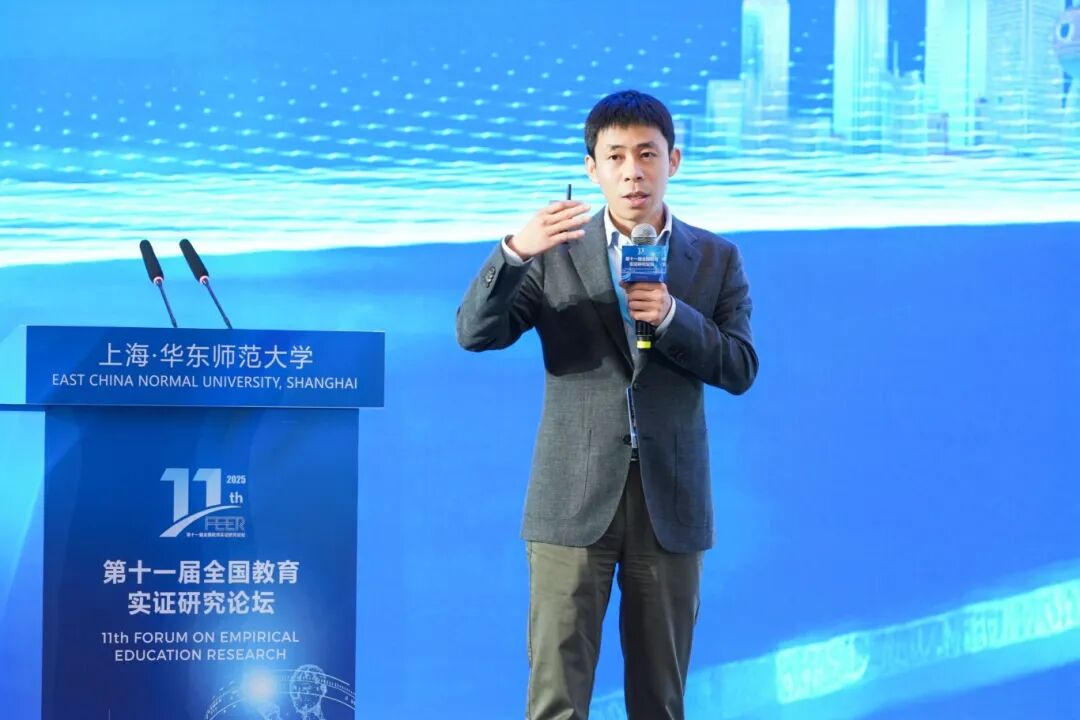
Wan Xi (Executive Dean, AIC Education Research Institute): Discussed the "Boundaries of AI Capabilities." While AI excels at factual recognition (>90% accuracy), it struggles with nuanced viewpoints. He proposed a "Human-Machine Co-Pilot" mechanism: AI handles facts, while humans handle interpretation.
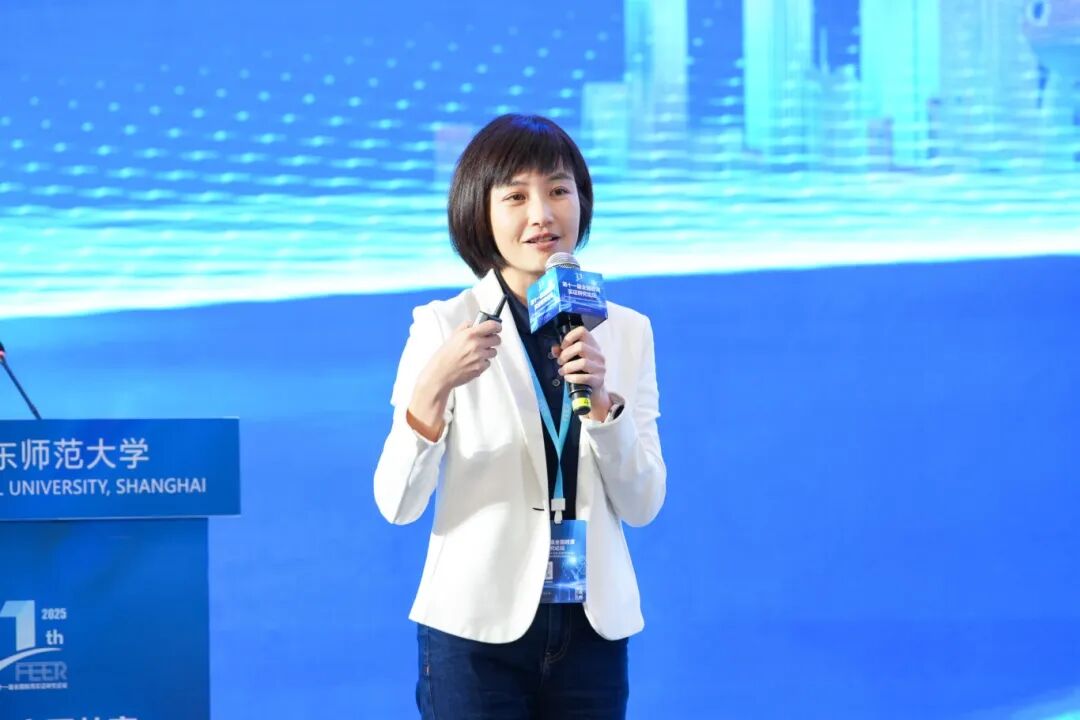
Hu Tingyu (Seewo Education Research Institute): Shared Seewo's AI application model covering pre-class preparation, in-class interaction, and post-class feedback. Their system has served over 450,000 routine classes, forming an "Experience + Evidence" collaborative model.
Theme 4: Regional and School Exploration
Fang Jiansheng (Linping District, Hangzhou): Presented a "Data + Evidence" regional research paradigm. By integrating multimodal data with policy and case studies, they achieved a systemic transformation from individual teacher cognition to regional governance upgrades.
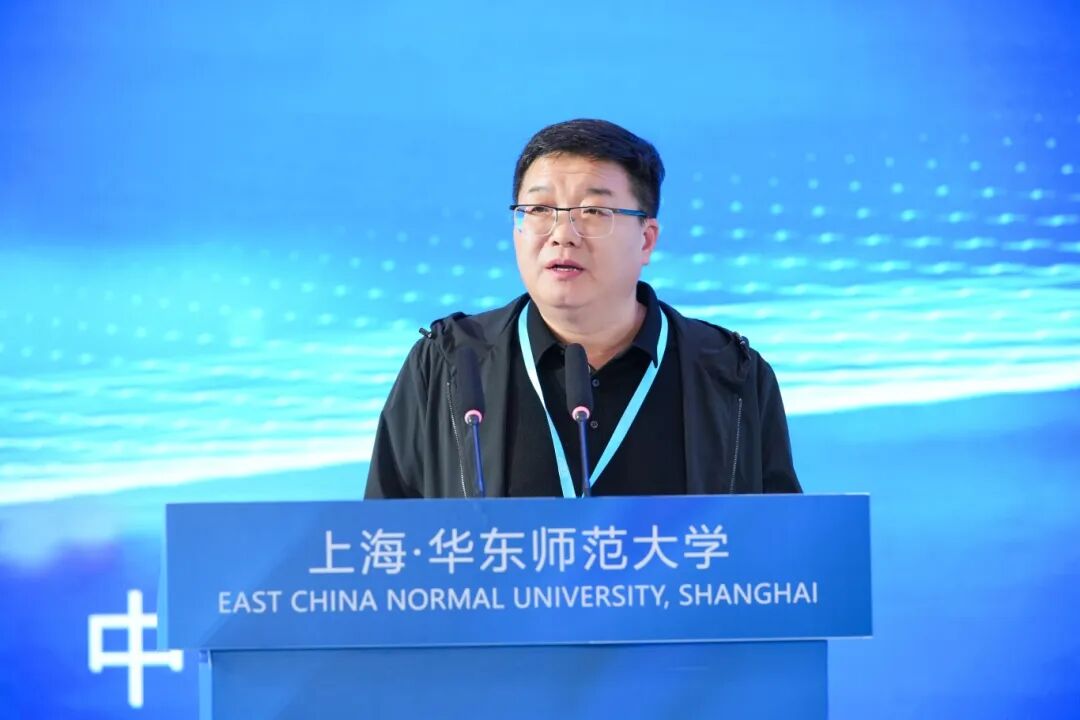
Xing Zhihui (Huangpu District, Shanghai): Introduced the "Human-Machine Co-Creation" model. Key practices include using second-order questionnaires for diagnosis, the SAMR model for technology integration, and a "Compensation + Development" dual-loop improvement mechanism.
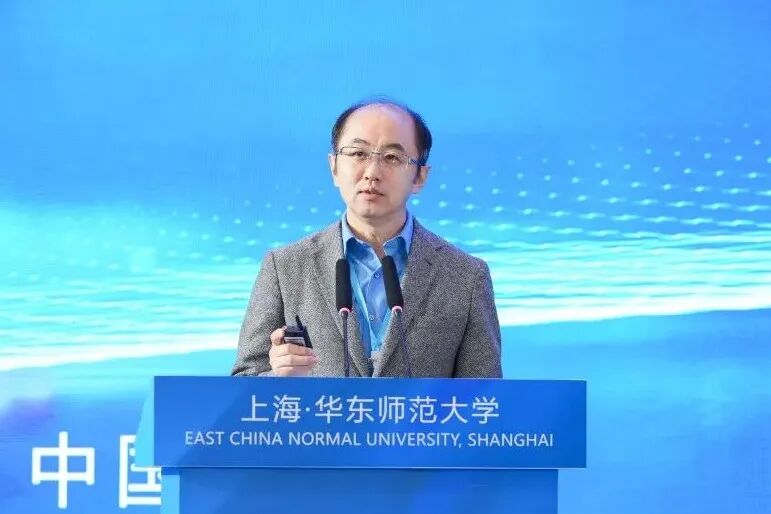
Lin Ruixin (Tongzhou District, Beijing): Shared reflections on AIC-based Regional Math Reform. Analysis of 120 lessons revealed a gap between concepts and practice (predominance of lecture-based teaching). They are now using AI to drive a shift towards interactive, student-centered classrooms.
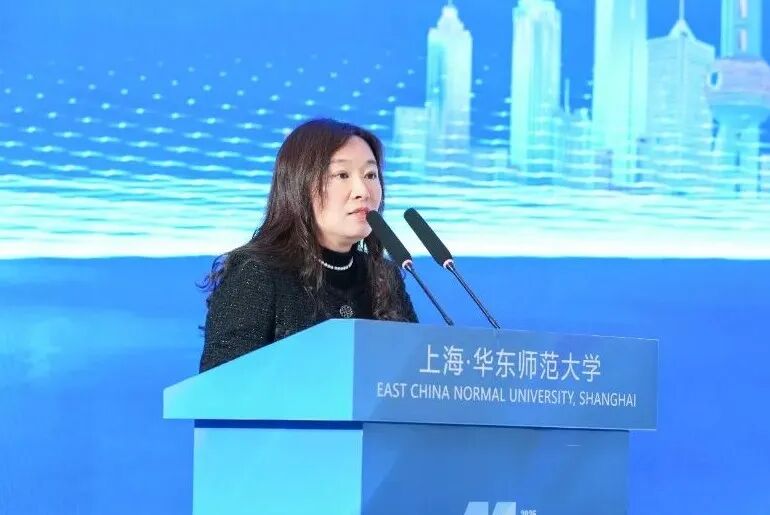
Wang Tiehua (The High School Affiliated to Fudan University): detailed the transformation of high school teaching research. Utilizing 38 smart classrooms and the AIC platform, the school built a "Training Input + Project Output" mechanism, turning teachers from "Data Consumers" into "Evidence Contributors."
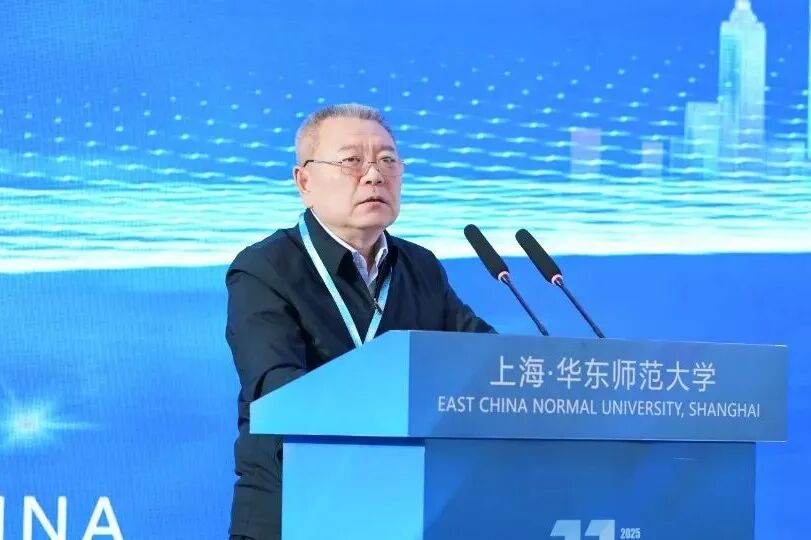
Zhao Ting (Experimental School of Shanghai Normal University, Minhang): Focused on "Reshaping Classroom Values: Democratic Classrooms." Using the "MF-PTTI" model, the school increased student speaking time and high-order questioning, shifting from "Teaching-Centered" to "Learning-Centered."
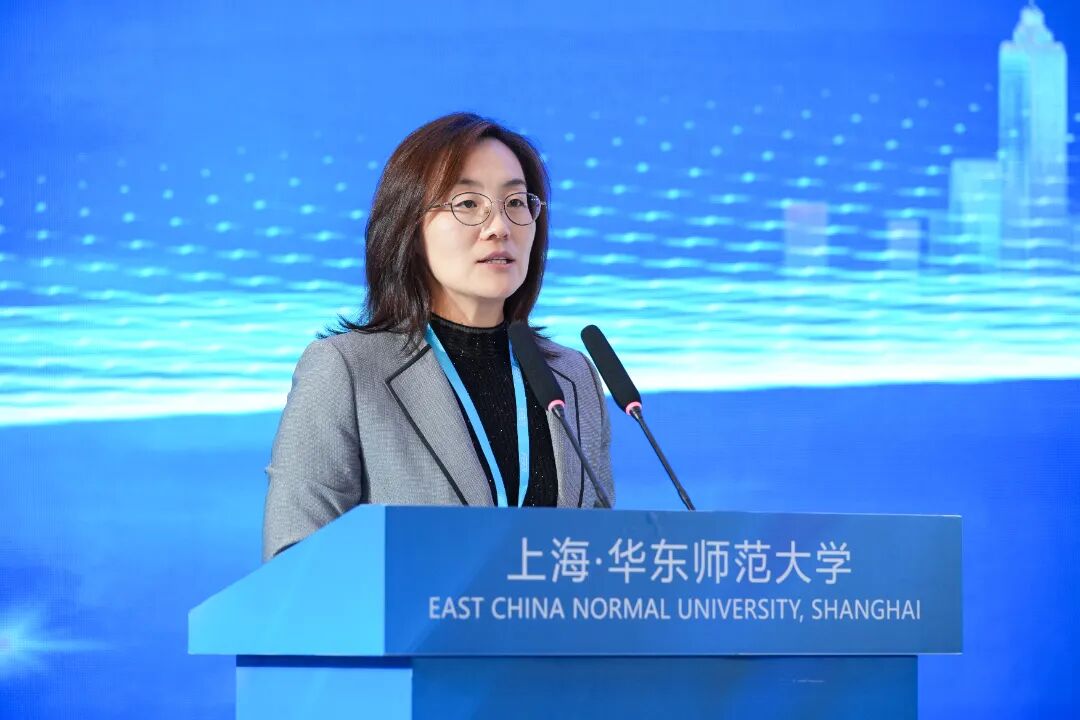
Yang Hong (Zhenming Central Primary School, Ningbo): Shared the school's "Three-Stage, Five-Loop" human-machine collaborative model. Case studies showed how AI data diagnosed fragmented time allocation, leading to optimized dialogue and task design.
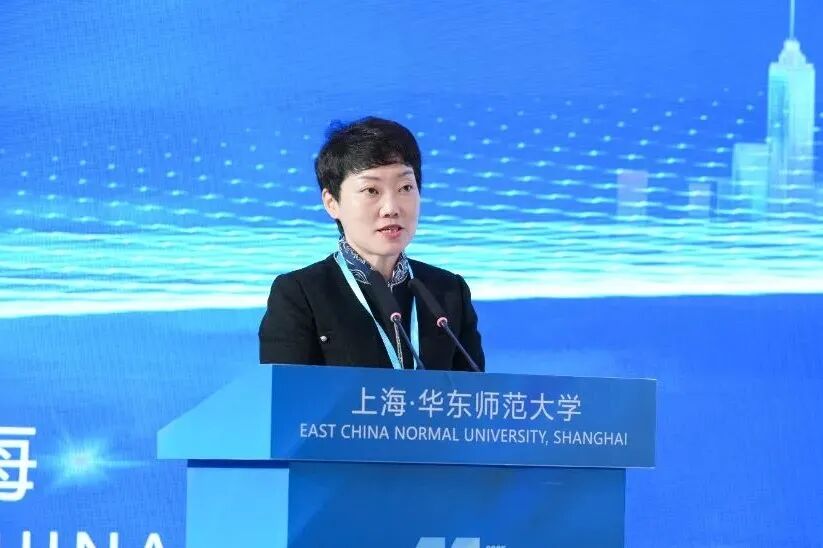
Luo Ruihao (Guanghua Experimental Middle School, Chengdu): Presented "Making Engagement Visible." In science experiments, she used data to transform verification tasks into inquiry tasks, increasing students'self-leaarningtime from 22% to 39%.
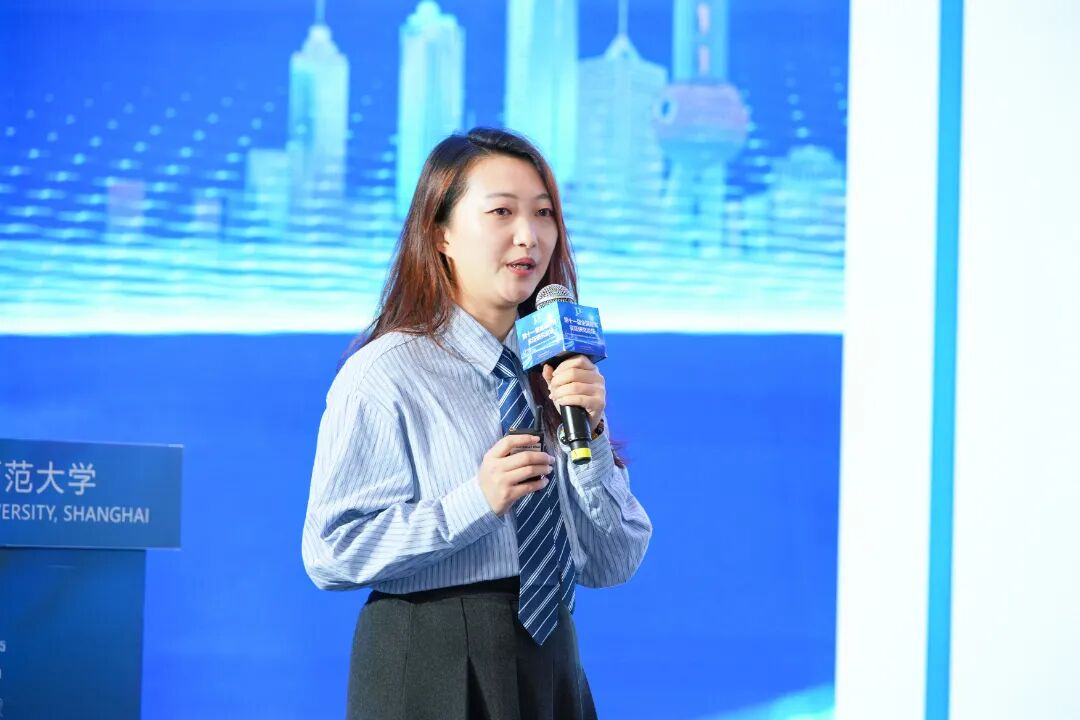
Summary & Closing
Assoc. Prof. Xiao Sihan (ICI) delivered the closing summary titled "The 'Intellect' and 'Humanity' of AI + Evidence-Based Teaching Research." He concluded that the relationship between intellect and humanity is paramount: evidence-based data sparks the "intellect" of teaching research, while the companionship of AI reflects the brilliance of "humanity."


 Address: 3663 Zhongshan North Road, Shanghai
 Email: ecnuici@163.com
 电话:021-32526084