

As the global technological revolution accelerates, Artificial Intelligence is profoundly reshaping the educational landscape, positioning STEM education as a strategic priority for cultivating innovative talent worldwide.
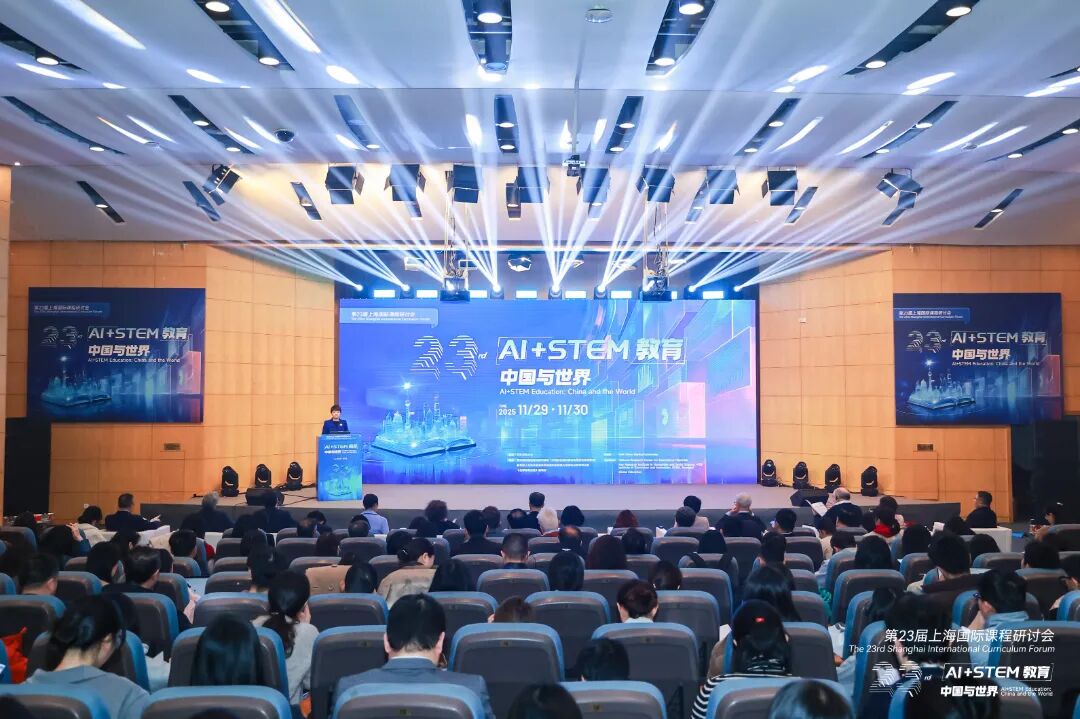
From November 29 to 30, the 23rd Shanghai International Curriculum Forum convened at East China Normal University (ECNU). Themed "AI + STEM Education: China and the World," the forum carried special significance following the recent establishment of the UNESCO International Institute for STEM Education (IISTEM) in Shanghai. This milestone reflects global recognition of China's exploration in STEM and underscores a shared vision for future-oriented educational reform.
The forum brought together representatives from UNESCO, China's Ministry of Education, and regional educational authorities, alongside over 300 experts from top-tier global universities and national research bases.
High-Level Perspectives on AI and STEM
Mei Bing, Secretary of the CPC ECNU Committee: In her opening remarks, Secretary Mei Bing highlighted that ECNU has designated Intelligent Education as a core strategic pillar. "This forum serves as a vital platform to showcase Chinese solutions and gather global wisdom," she stated, expressing a commitment to exploring new STEM models with international partners.
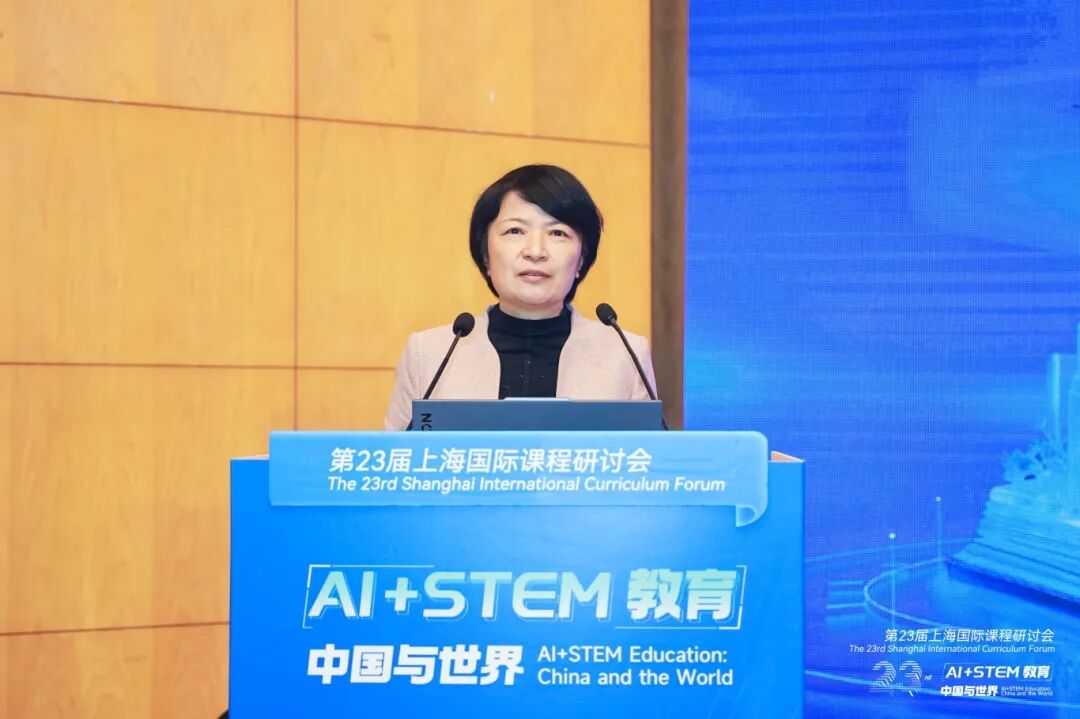
Costanza Farina, Director of the UNESCO International Bureau of Education (IBE): Director Farina commended China’s innovative practices in AI and STEM, noting that global education requires enhanced transnational cooperation to drive equitable, high-quality, and future-ready reforms.
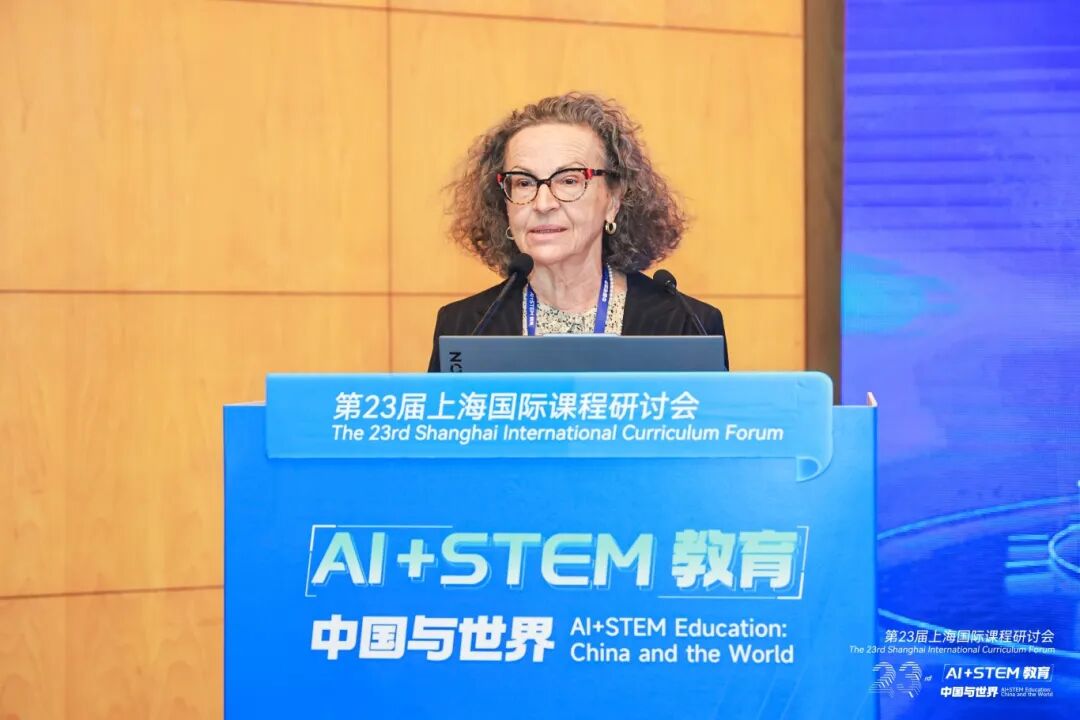
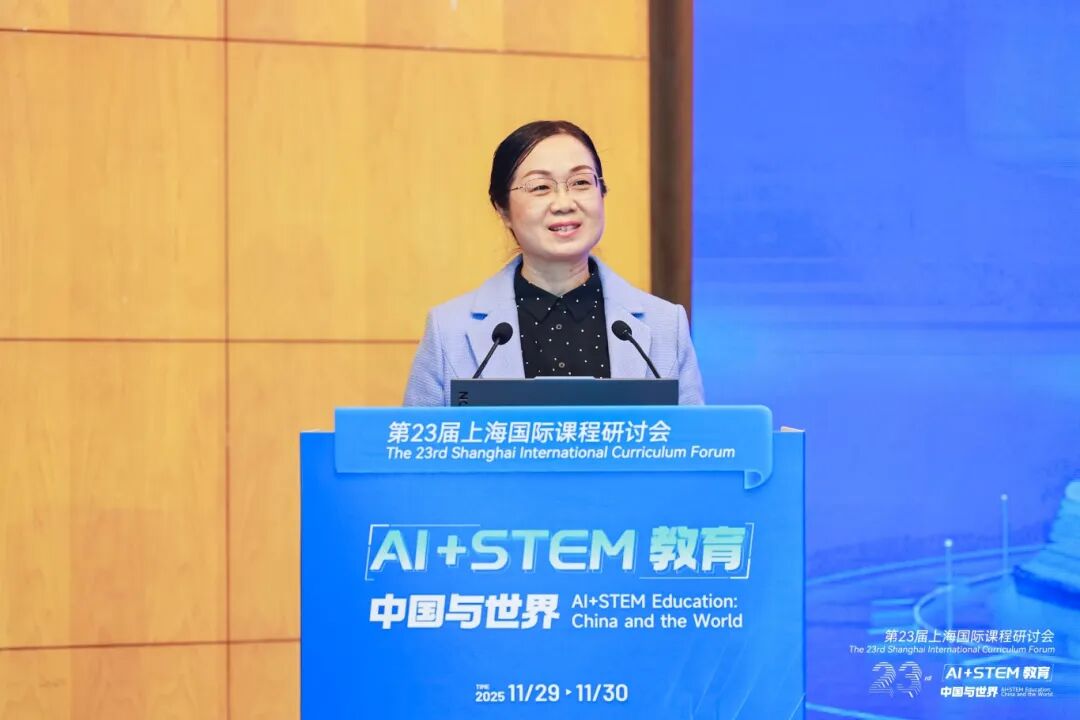
Tian Lixin, Director-General of the Department of Textbook Regulation, MOE: Director-General Tian introduced the "National Authority" approach to China's curriculum development, emphasizing a shift toward literacy-oriented and practice-based learning. She advocated for the "Human-Centered, AI for Good" principle, stressing the importance of ethical technology use and bridging the digital divide.
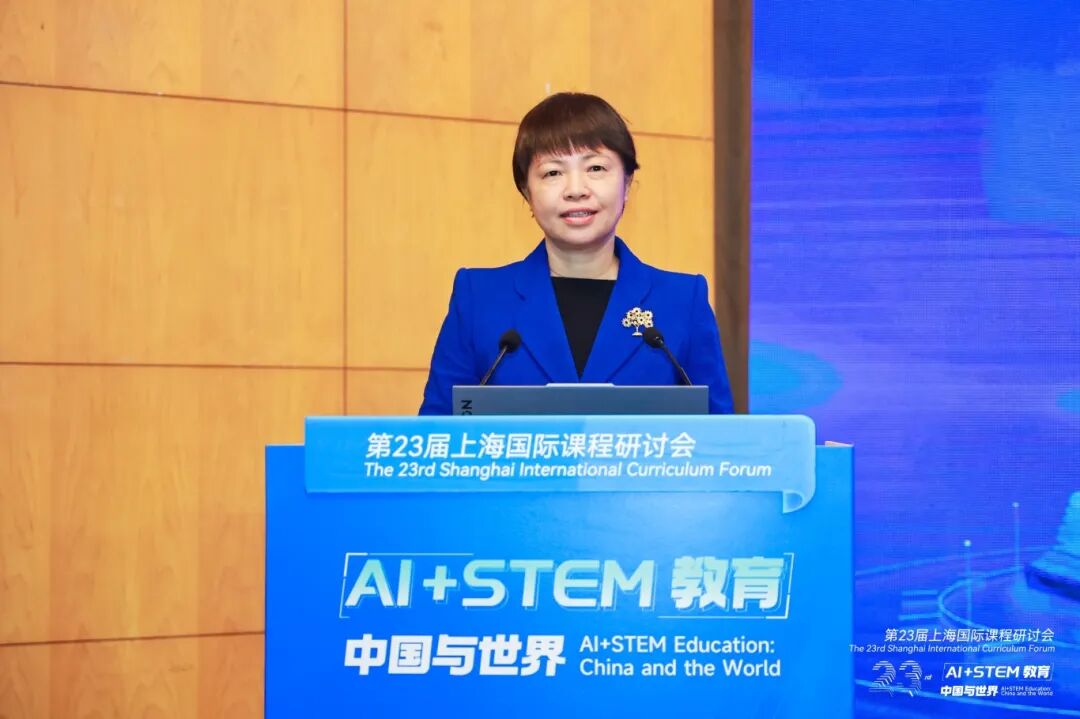
Chen Qiuyan, Deputy Director-General of the Department of Basic Education, MOE: Ms. Chen outlined China’s latest policy deployments, including the Guidelines for AI General Education in Primary and Secondary Schools. She emphasized a "proactive yet prudent" approach to AI, aiming to build an inclusive and sustainable educational ecosystem through high-quality resources and teacher training.
Global Knowledge Dialogue and Theoretical Innovation
Over two days, 21 renowned scholars from institutions such as Stanford, Harvard, Columbia, Cambridge, UCL, and the University of Oslo engaged in deep academic dialogues. Key themes included:
1.Strategic Frameworks: Moving from top-level design to systematic school implementation.
2.Pedagogical Reform: Redefining the classroom through Performance-Based Assessment and AI-supported teaching-learning-assessment alignment.
3.Teacher Agency: Ensuring AI enhances rather than diminishes professional expertise.
4.Humanistic Values: Reaffirming that "education is a human endeavor" to avoid technological centrism.
5."STEM 2.0": Experts proposed the localized concept of "SAIDEMA" (the phonetic Chinese transliteration of STEM) to encapsulate China's unique innovative practices and signal the leap toward a "Chinese-style STEM 2.0."


Launching the International Alliance for Intelligent Classroom Discourse Analysis
A major highlight of the forum was the official establishment of the International Alliance for Intelligent Classroom Discourse Analysis. Led by ICI at ECNU, the alliance joins forces with elite research teams from Harvard, Columbia, Cambridge, and UCL.
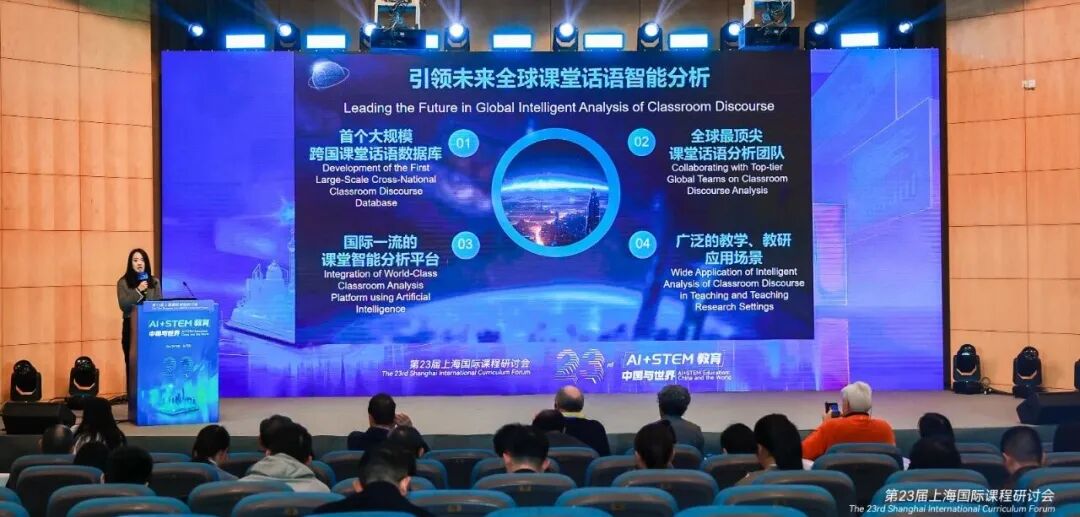

Mission: To jointly develop and iterate intelligent models for collecting and analyzing classroom data.
Vision: To build the first large-scale transnational classroom discourse database and set international standards for intelligent analysis.
Field Observations and Scholarly Exchange
Director Farina and global experts visited the Shanghai Jing'an Education College Affiliated School (JECAS). They observed AI-integrated STEM lessons, such as "Smart Energy-Saving Cabins" and "AI-Driven Cultural Gift Boxes," praising the lessons for their seamless integration of interdisciplinary theory and real-world application.

The forum also featured an Editors' Panel with journals such as Studies in Science Education and Global Education, as well as Parallel Sessions for young scholars. Discussions ranged from the "Localization of STEM Discourse" to "AI-Enabled Teacher Development," showcasing 28 research projects from global universities.


Conclusion
The 23rd Shanghai International Curriculum Forum successfully connected Chinese experience with global issues. From policy leadership to classroom practice, the event contributed a "Chinese Voice" to the global dialogue on educational transformation, fostering a more open and collaborative future educational ecosystem.

 Address: 3663 Zhongshan North Road, Shanghai
 Email: ecnuici@163.com
 电话:021-32526084