

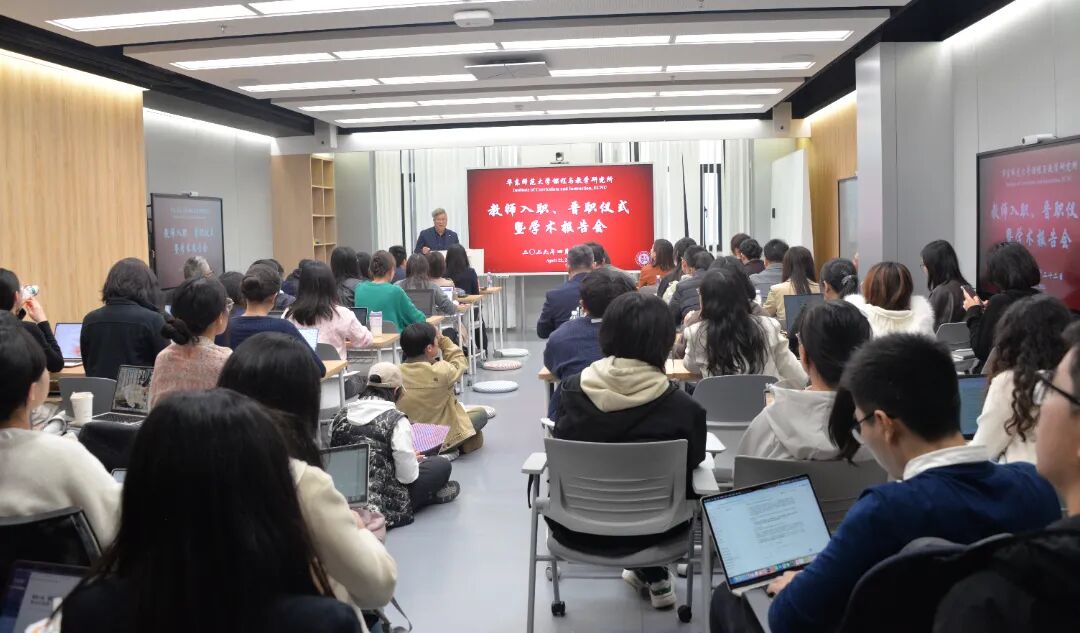
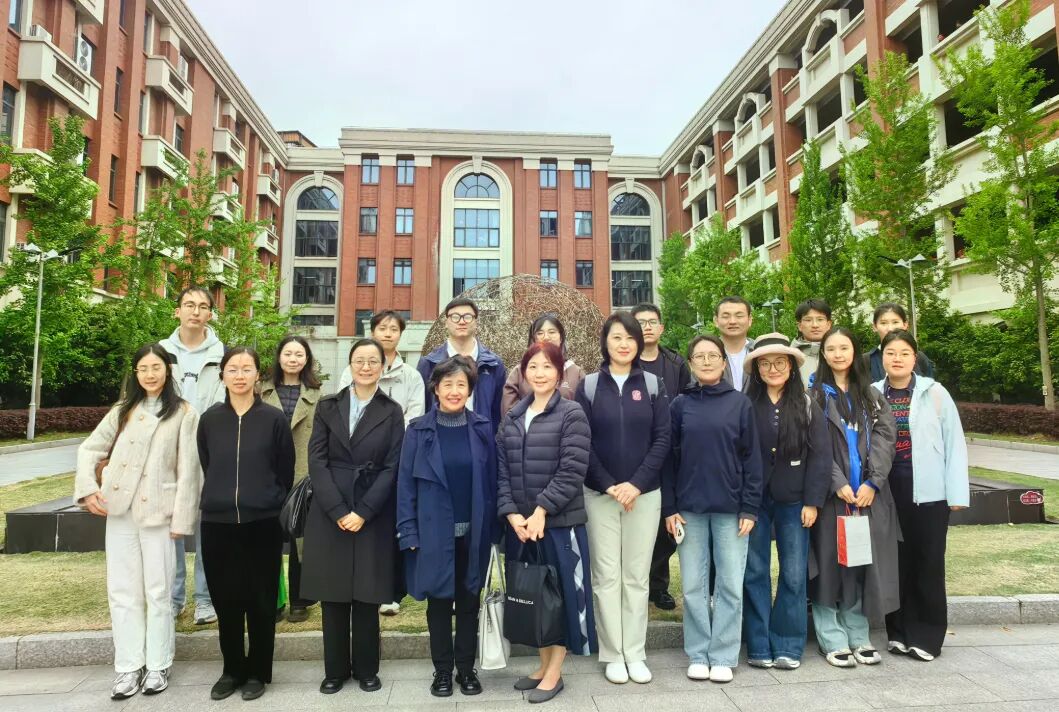
SHANGHAI— In mid-April 2026, the Institute of Curriculum and Instruction (ICI) at East China Normal University (ECNU) hosted a delegation of 12 doctoral scholars and faculty from the Center for Teacher Education Research (CTER) at Beijing Normal University (BNU) for their annual week-long academic exchange.
Established in 2018, this strategic partnership bridges two of China’s premier educational research institutions—ICI as the nation's key research base for curriculum and textbook construction, and CTER as the premier hub for teacher education. The 2026 program featured an intensive itinerary comprising co-constructed seminars, advanced methodology workshops, immersive field research, and cross-generational academic salons.
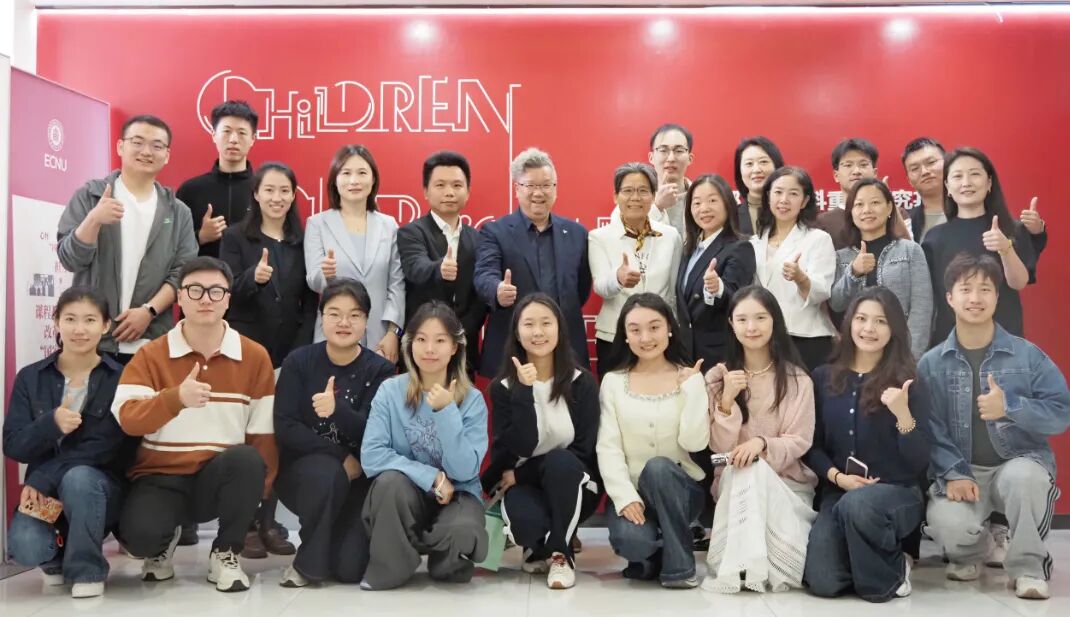
Advanced Coursework and Academic Dialogues
Throughout the week, doctoral students participated in specialized, high-leverage seminars designed to challenge methodology and pedagogical paradigms.
1. Research Design and Epistemology
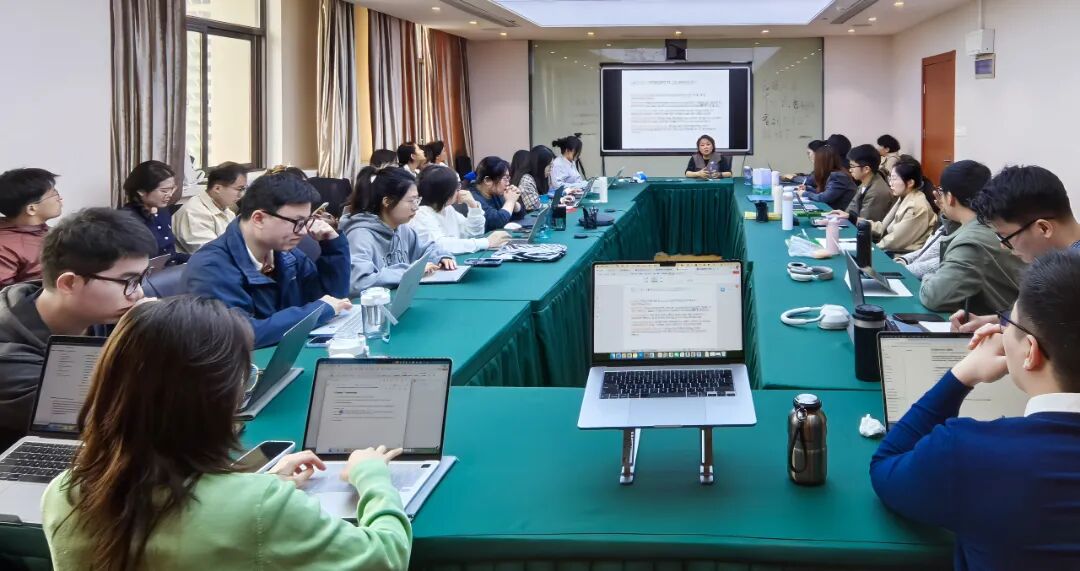
Qualitative Fields: In Professor Chen Shuangye’s Educational Research Project Design class, students analyzed live classroom data vignettes to practice multi-perspective qualitative capturing. Professor Chen contrasted social and natural science epistemologies, underscores the irreplaceable value of qualitative frameworks in meaning-making.
Proposal Crafting: Visiting Professor Ye Xiaoyang (ECNU Educational Economics Laboratory) delivered a specialized workshop on structuring competitive research proposals, mapping out academic publication networks, and analyzing exemplary funding templates.
2. Curricular Traditions and Critical Theory
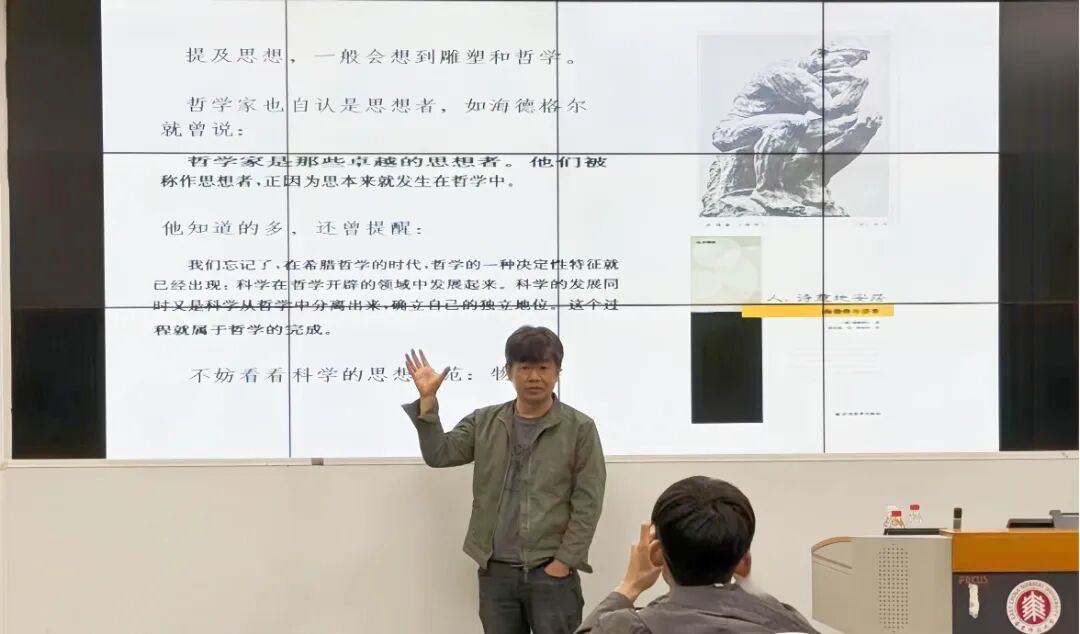
The Lifeworld vs. Elite Thought: In Professor Zhou Yong’s Curriculum Reform and Social Progress seminar, students explored text-based lineages ranging from Liang Qichao to Michel Foucault. Drawing from Martin Heidegger, Professor Zhou challenged researchers to step out of elite abstractions and immerse themselves in the "lifeworld" of everyday educational actors.
3. Frontiers in AI and Methodology
AI as a Methodological Tool: Dr. Yang Chengyu spearheaded a research methodology workshop addressing critical boundaries: Eastern vs. Western methodologies, human-machine dynamics in the AI era, and text analysis. Doctoral participants noted that the session elevated AI from a mere teaching assistant tool to an analytical methodology for interpreting curriculum texts.
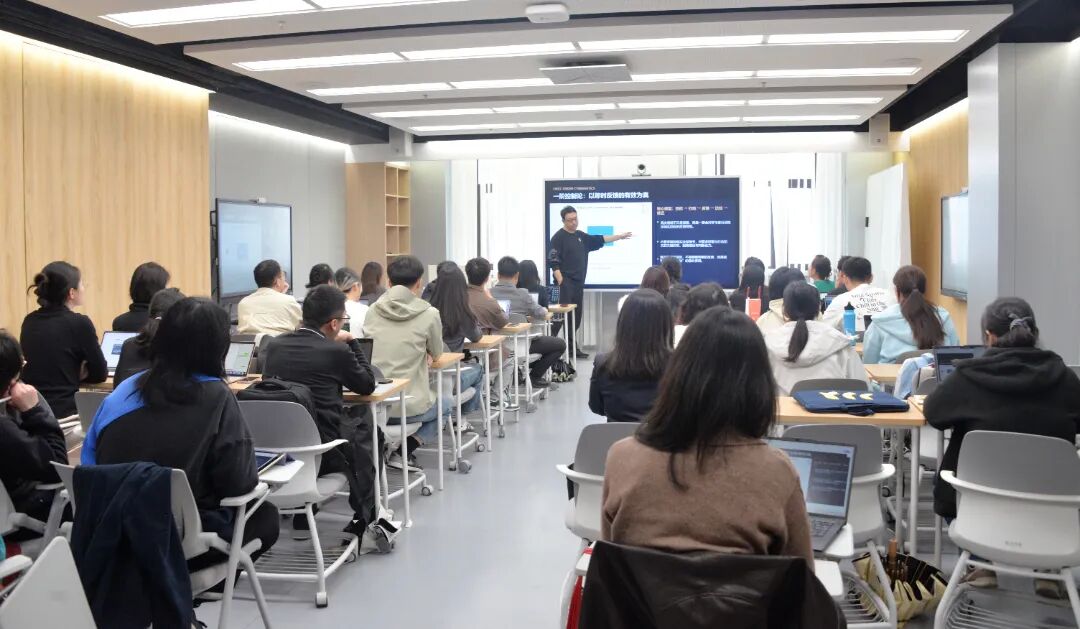
Classroom Intelligence: Students attended the academic presentation of Professor Yang Xiaozhe and Dr. Zhang Zihong, engaging in deep debates over how automated classroom discourse analysis can empower structural textbook design and K-12 instructional alignment.
Fieldwork: Multi-Dimensional Perspectives on Frontline Practices
To anchor theoretical models in empirical realities, the joint doctoral cohort conducted structured institutional site visits across Shanghai’s K-12 ecosystem.
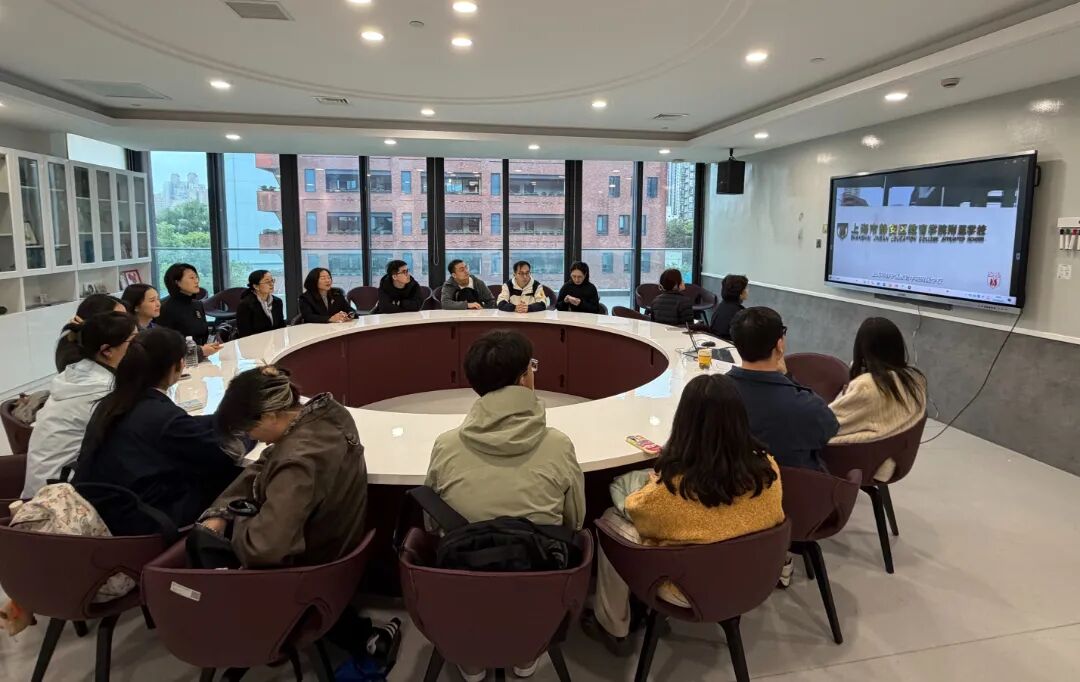
Site 1: Shanghai Jing'an District Education College Affiliated School
Focus: Institutional culture and integrated curriculum delivery.
Activities: Led by Principal Gao Yan, the cohort analyzed how the school integrates deep learning designs into routine school-wide operations, mapping the transition from administrative mandates to organic classroom cultures.
Site 2: ECNU Fourth Affiliated High School
Focus: AI integration in secondary school settings.
Activities: The delegation evaluated authentic case studies of AI-assisted teaching diagnostics. Discussions focused on the ethical boundaries, cognitive impacts, and logistical friction of deploying intelligent feedback systems in frontline public education.
The Cross-Generational Academic Salon: Sustaining the Scholar’s Journey
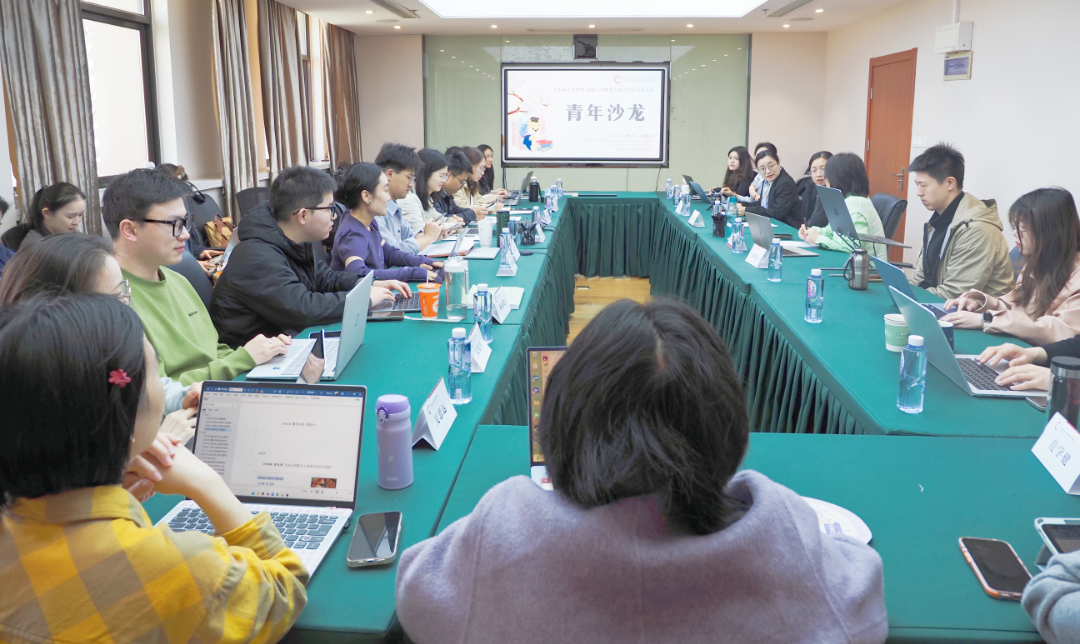
The program culminated in a cross-generational panel discussion featuring senior faculty and early-career researchers spanning the 1970s to the 2000s cohorts.
Four Core Analytical Themes:
Pathways: How we arrived "here" and where we are heading.
The Peer Review Ecosystem: Navigating submissions and becoming an effective reviewer.
Continuity and Breakthrough: Knowing what to anchor and where to innovate.
The Long Horizon: Cultivating resilience in academic careers.
The panelists collectively emphasized that amid rapid socio-technological shifts, young scholars must remain anchored in real-world problems. They challenged the doctoral students to continuously ask themselves: "How do I talk about my research to the wider world?" and "Do I genuinely love the questions I am asking?"
Conclusion
The 2026 exchange concluded with a shared vision for long-term collaborative publication and research tracks. The week-long immersive program successfully transformed institutional collaboration into deep, individual academic connections, laying a robust foundation for the next generation of curriculum and teacher-education researchers in China.


 Address: 3663 Zhongshan North Road, Shanghai
 Email: ecnuici@163.com
 电话:021-32526084