

SHANGHAI— Global education currently navigates a dual crisis defined by rapid digital disruption and severe structural inequality. On May 13, Dr. Sobhi Tawil, the newly appointed Acting Director of the UNESCO International Bureau of Education (IBE) and Director of the Division for Future Learning and Innovation at UNESCO Headquarters, delivered a keynote address at the 188th session of the Huaxia Curriculum Forum.
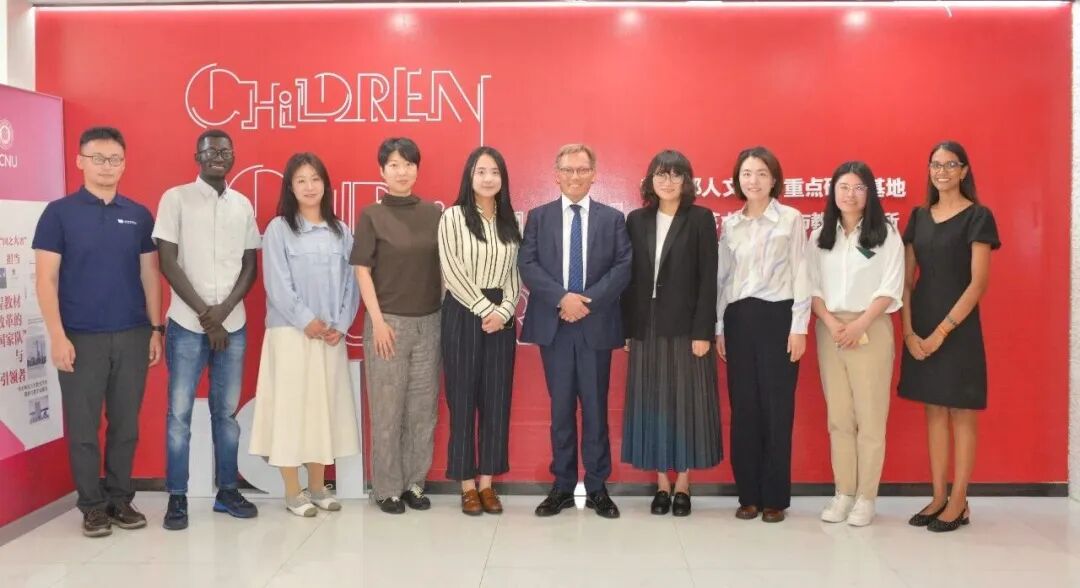
Themed "Global Education at a Crossroads: A UNESCO Perspective," the high-level forum was chaired by Associate Professor Shi Yuchen (Assistant to the Director of ICI). Professor Zhang Wei, Dr. Chen Ye, and a diverse cohort of international scholars and graduate students from the Faculty of Education and the International Center for Teacher Education participated in the scholarly dialogue.
Biography: Dr. Sobhi Tawil
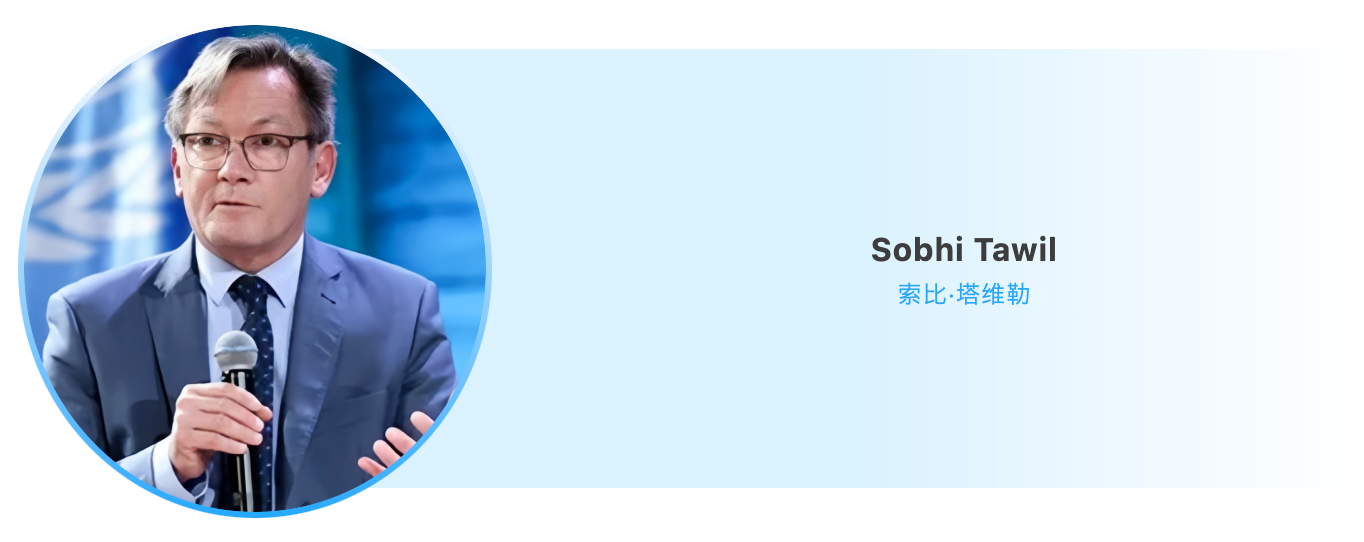
Appointed as the Acting Director of UNESCO IBE in February 2026, Dr. Sobhi Tawil simultaneously leads the Division for Future Learning and Innovation at UNESCO Headquarters in Paris. In this capacity, he spearheads the global Futures of Educationinitiative, directs institutional policy on educational technology and artificial intelligence, and manages the UNESCO Chairs global network.
With over three decades of international policy experience, Dr. Tawil has previously directed UNESCO’s Education Research and Foresight programme, overseen educational initiatives for the Maghreb region in Rabat, and led capacity-building programs at IBE Geneva. Prior to his career at UNESCO, he held strategic roles at the Network for International Policies and Cooperation in Education and Training (NORRAG), the Graduate Institute of International and Development Studies (IHEID), and spearheaded the International Committee of the Red Cross (ICRC) "Exploring Humanitarian Law" project. His extensive academic portfolio spans citizenship education, curriculum reform, identity-based conflicts, and digital governance.
The Empirical Reality: Machine Investment vs. Human Deficit
Dr. Tawil grounded his presentation in robust global metrics, referencing the UN Secretary-General's Our Common Agenda report to illustrate a critical civilizational juncture: continuing along an unsustainable traditional trajectory versus pivoting toward systemic, regenerative transformation.
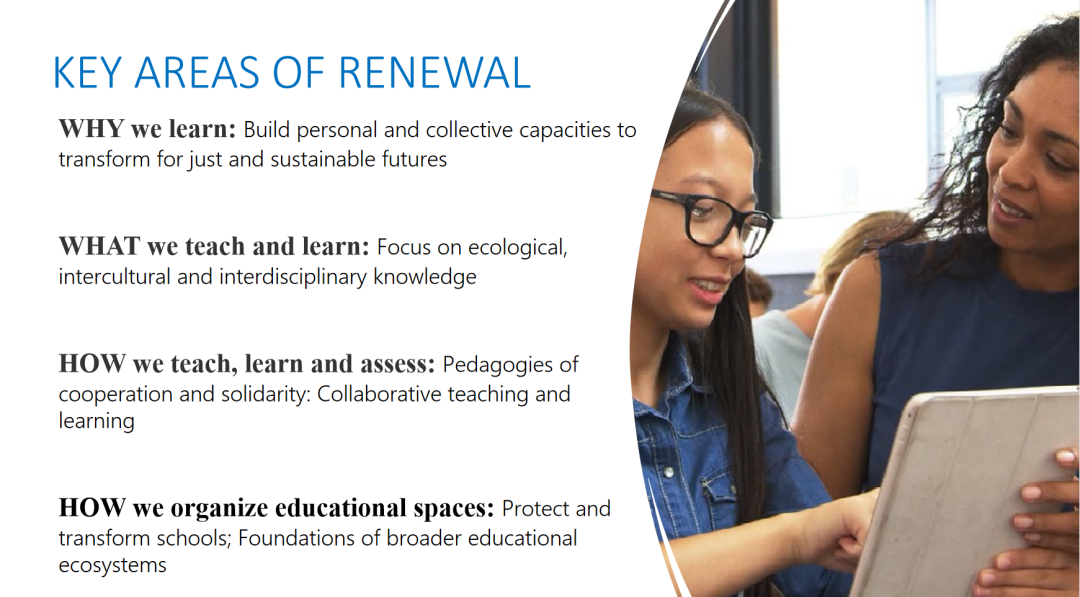
To highlight the global imbalance across human, environmental, and technological dimensions, Dr. Tawil contrasted the scale of commercial AI spending against the persistent funding gaps in foundational global literacy:

The Human Deficit:Despite the global surge in automated tools,270 million children and youth remain entirely out of school, approximately770 million adults lack foundational literacy, and global school systems face a structural shortage of44 million qualified teachers.
The Ethical Shift:Dr. Tawil cautioned that technological advancement must not be purchased at the cost of baseline educational equity. Digital scaling should never cannibalize the resources required for foundational human development.
Paradigm Shifts: From "Learning to Learn" to "Learning Together"
Dr. Tawil asserted that genuine educational transformation requires a fundamental pedagogical shift rather than superficial modifications to existing systems.
1. Redefining Purpose in the Generative AI Era
As automation commoditizes information retrieval, the primary objective of education must pivot toward cultivating uniquely human capacities: values, emotional perception, empathy, and collaborative care.
2. Reforming Assessment Frameworks
Contemporary evaluation metrics remain fundamentally decoupled from the realities of a digital society. Dr. Tawil advocated for a shift from product-oriented metrics to process-oriented assessments. Future frameworks must evaluate a student's cognitive trajectories, ethical reasoning, and critical tool orchestration within complex, unscripted contexts.
3. Restructuring the Social Fabric of Learning
Pedagogical philosophy must transition from the individualistic paradigm of "learning to learn" toward a highly collaborative, socio-centric paradigm of "learning together."
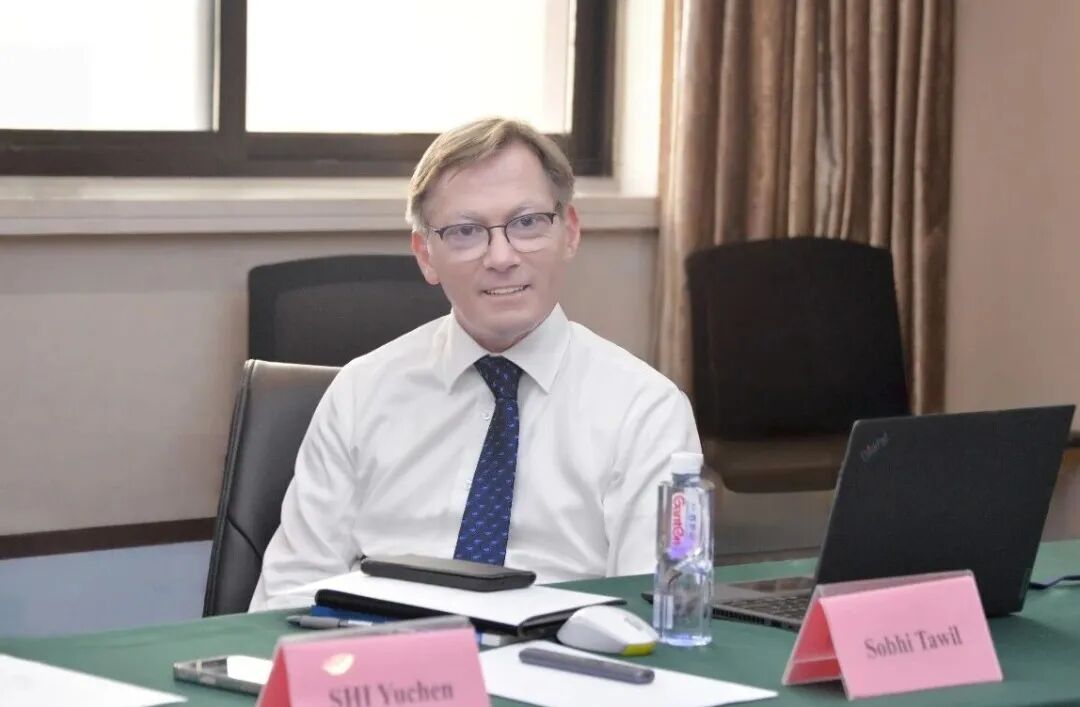
Strategic Curriculum Reform: The IBE Action Plan
Representing the historical mandate of the IBE (established in 1925), Dr. Tawil outlined how curriculum design operates as the primary lever for systemic educational transformation. Pointing to a global upper-secondary graduation rate hovering at just 60%, he noted that contemporary curricula are increasingly alienated from the lived experiences of modern youth.
To resolve this systemic mismatch, the IBE is currently executing a dual-track global strategy:
Systemic Policy Alignment: Directly assisting member states in reviewing national curriculum frameworks to ensure absolute structural cohesion across educational policies, textbook design, assessment metrics, and teacher education systems.
Global Knowledge Commons: Building international foresight platforms through the publication of peer-reviewed journals, the operation of the Ideas Lab blog, and the curation of high-level dialogic spaces such as Future Dialogues and Digital Learning Week.
Furthermore, Dr. Tawil highlighted IBE’s historical textbook archive—formally designated as a UNESCO 'Memory of the World' asset—as an invaluable empirical repository for drawing historical lessons to inform future curriculum policy.
Academic Q&A: The Irreplaceability of Human Pedagogy
During the interactive plenary session, international doctoral students raised critical inquiries regarding algorithmic teacher displacement and the compounding digital divide:
The Limits of Algorithms: Dr. Tawil reasserted UNESCO’s human-centered stance on technology. While digital platforms can deliver content to resource-constrained regions, education remains fundamentally a deep, relational, and social experience that cannot be simulated by software. "The premier educational technology,"Dr. Tawil noted, "remains a highly motivated, well-trained, and structurally supported human teacher."
Algorithmic Bias:He expressed critical concern regarding the latent cultural biases embedded within mainstream LLMs (Large Language Models), calling for the collaborative construction of inclusive, localized, and public digital learning platforms.
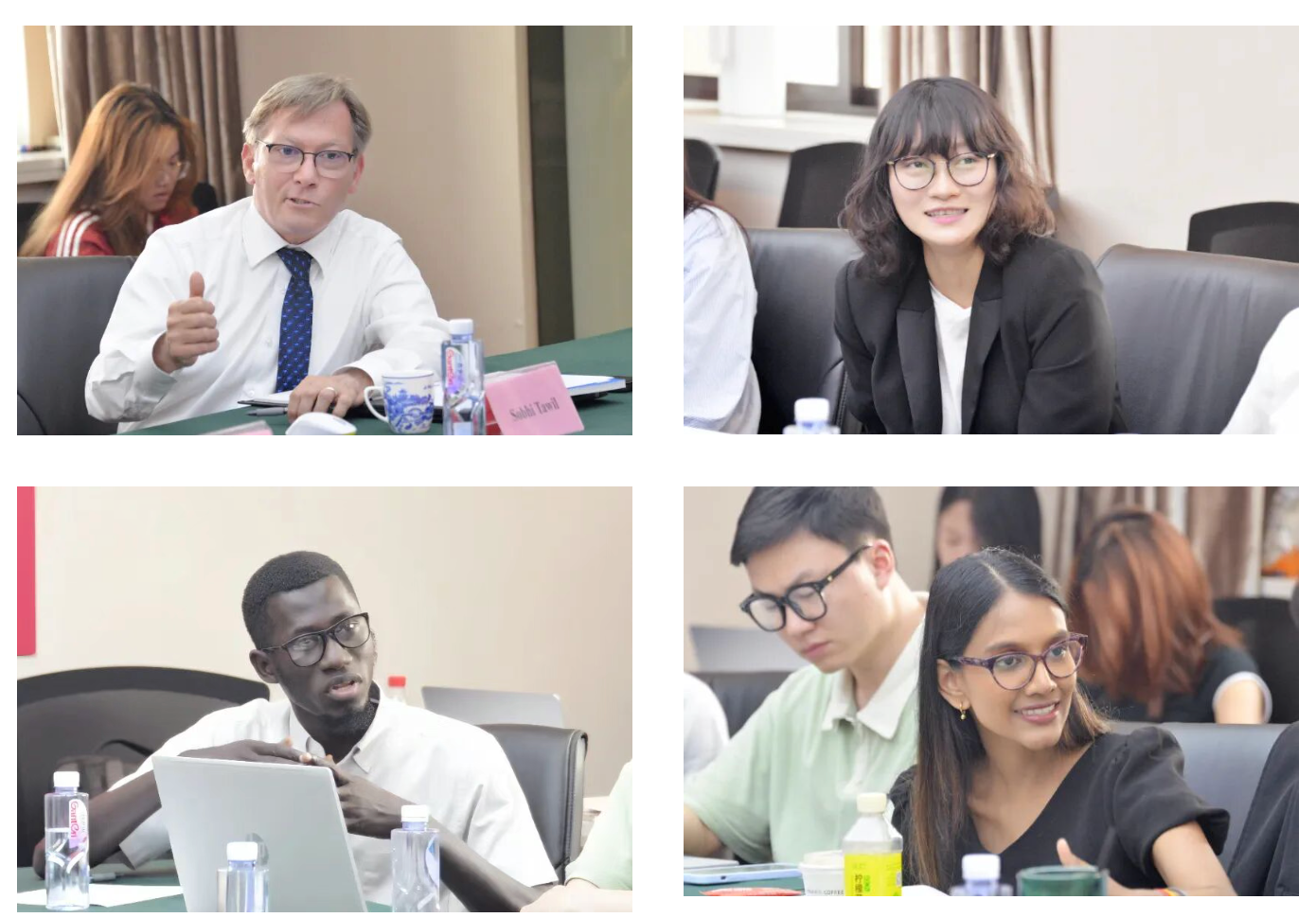
The session concluded with an expression of mutual interest in exploring formal institutional cooperation between ECNU's ICI and the UNESCO IBE, leveraging shared research tracks to co-construct resilient, forward-looking global curriculum frameworks.

 Address: 3663 Zhongshan North Road, Shanghai
 Email: ecnuici@163.com
 电话:021-32526084