

SHANGHAI— To deepen institutional partnerships and advance international talent cultivation in global education governance, Dr. Sobhi Tawil, Acting Director of the UNESCO International Bureau of Education (UNESCO-IBE), visited East China Normal University (ECNU) on May 13, 2026.
A centerpiece of the summit was the formulation of the Master’s Program in Global Curriculum Leadership. Functioning as a landmark achievement of this long-standing alliance, the initiative stands as the first Master’s level talent cultivation platform in East Asia to receive deep, structured backing from UNESCO-IBE. Dr. Tawil explicitly affirmed that IBE will continually scale up its strategic and academic support for this flagship program.
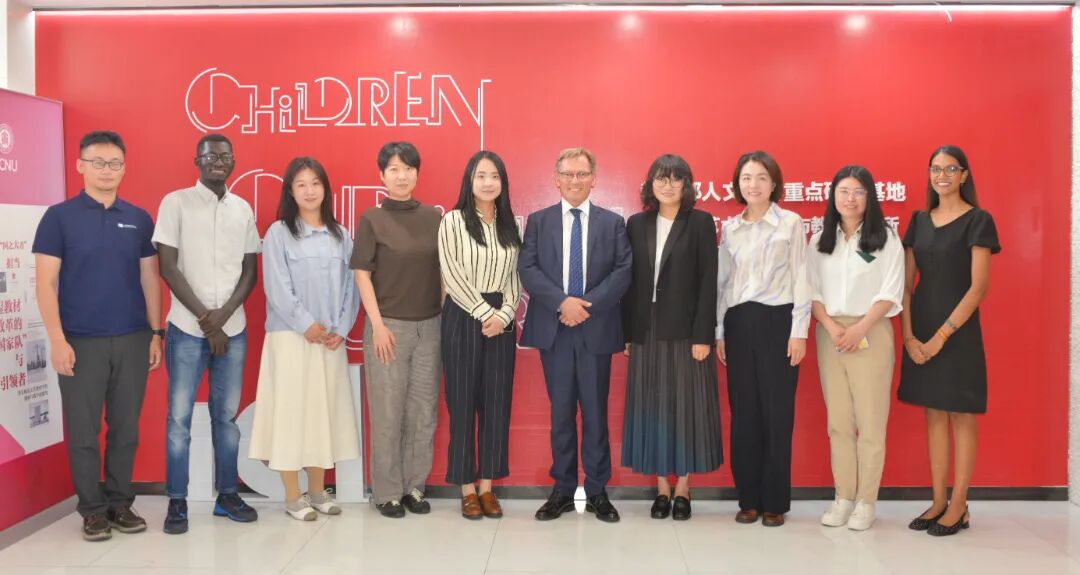
A Multi-Tiered Framework of Traditional Collaboration
ECNU and UNESCO-IBE share a stable, multi-layered foundation of historical cooperation. The two institutions have established mature operational tracks across curriculum reform research, international policy dialogue, and academic dissemination, highlighted by:
The successful coordination of the IBE Centenary Commemorative Events.
The convening of specialized international symposia for the Global Curriculum Leadership framework.
The co-construction of the peer-reviewed journal Prospects and its official Chinese edition, Prospects (Chinese Version), which serves as a vital bridge for global educational discourse.
Strategic Institutional Alignments
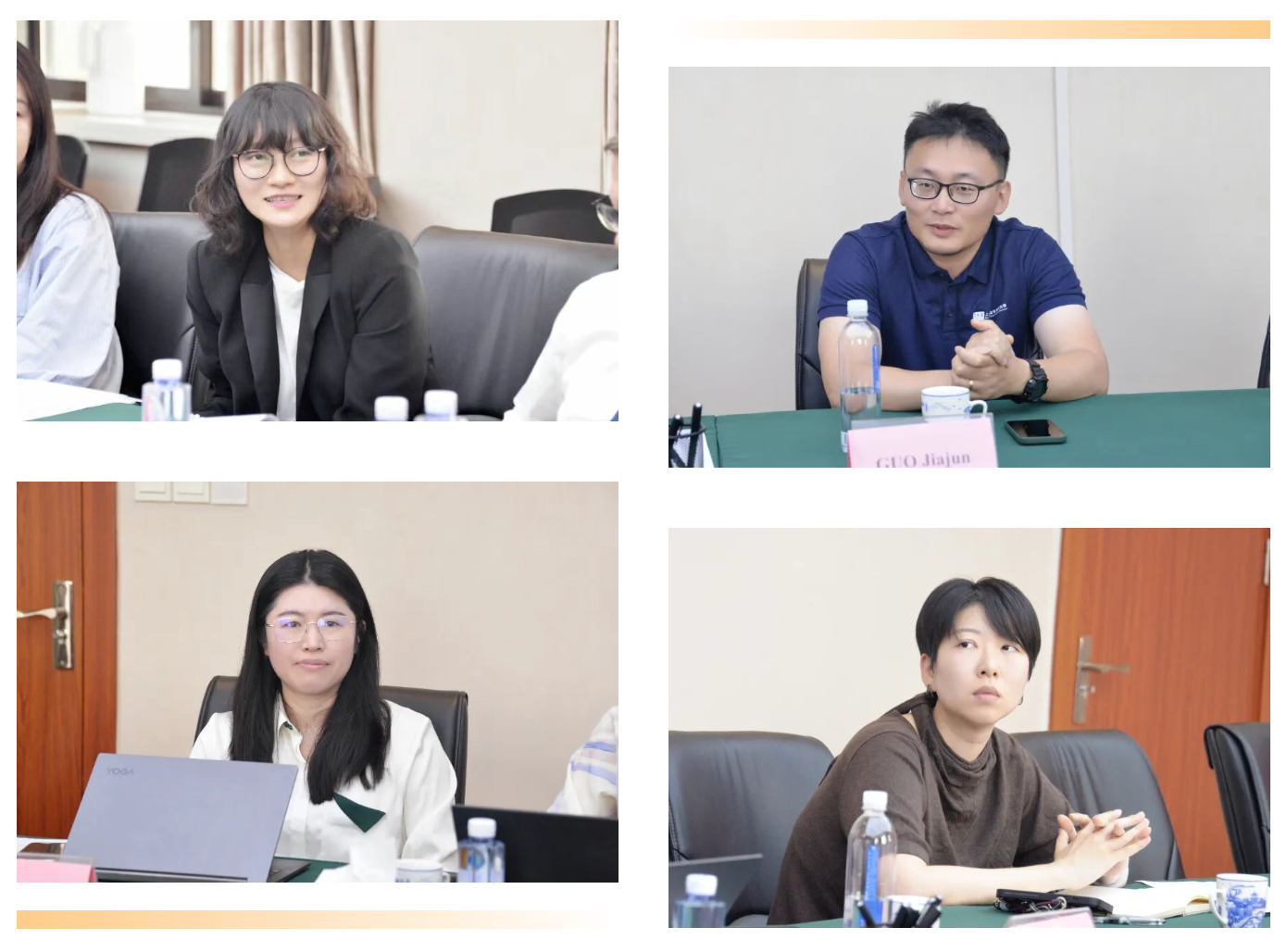
During the plenary assembly, Dr. Qiu Yue (Director of International Affairs at the Faculty of Education, ECNU) and Associate Professor Shi Yuchen (Assistant to the Director of ICI) presented structural briefs on their respective divisions, mapping out international cooperation platforms, research landscapes, and postgraduate milestone achievements.
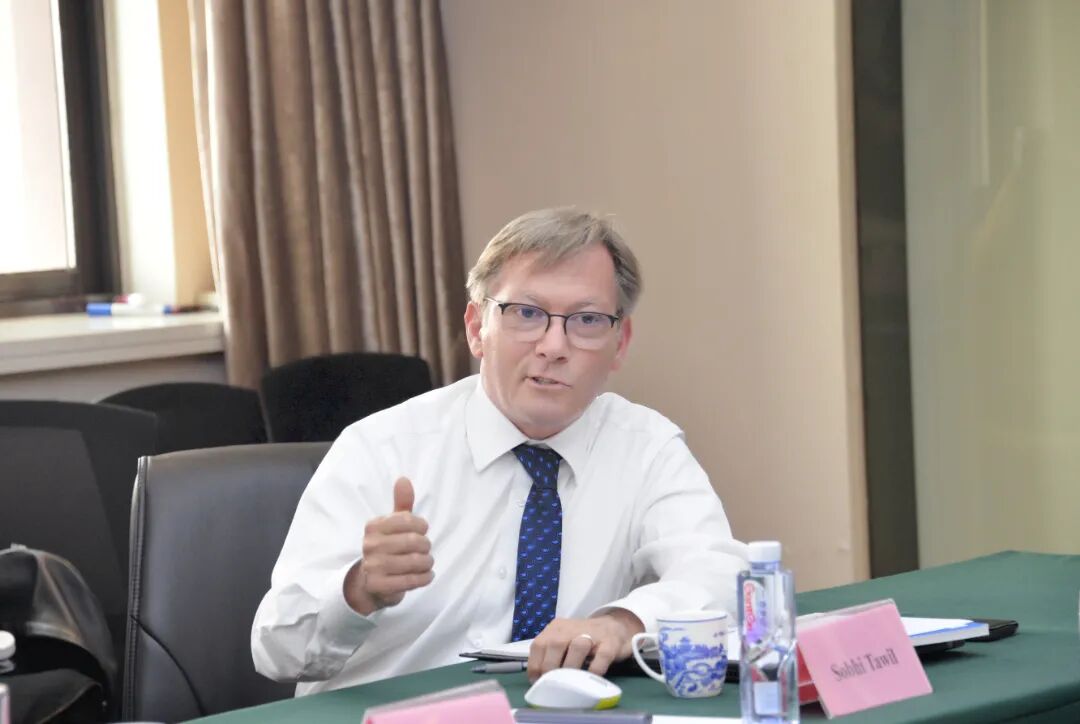
Dr. Sobhi Tawil highly commended the academic footprint of ECNU’s Faculty of Education and ICI, emphasizing that their decades of empirical research provide essential value to IBE’s global mission.
Future Outlook: Elevating Voice in Global Education Governance
The dialogue concluded with an absolute consensus on a long-term strategic roadmap focused on four high-leverage domains:
The Futures of Schooling:Anticipating and modeling global educational transformation.
Intelligent Education:Deploying AI and digital tracking in classroom diagnostics.
Curriculum Innovation:Redesigning frameworks to match contemporary civic and professional landscapes.
ESD Principles:Integrating Education for Sustainable Development across national textbook grids.
Furthermore, leveraging the editorial alliance of Prospects, both institutions will actively accelerate the integration of China’s frontline empirical data into global academic systems. This visit marks a structural upgrade from a institutional relationship to a high-level strategic alliance, utilizing the new Master's program as a catalyst to shape global curriculum research and international educational governance.

 Address: 3663 Zhongshan North Road, Shanghai
 Email: ecnuici@163.com
 电话:021-32526084